
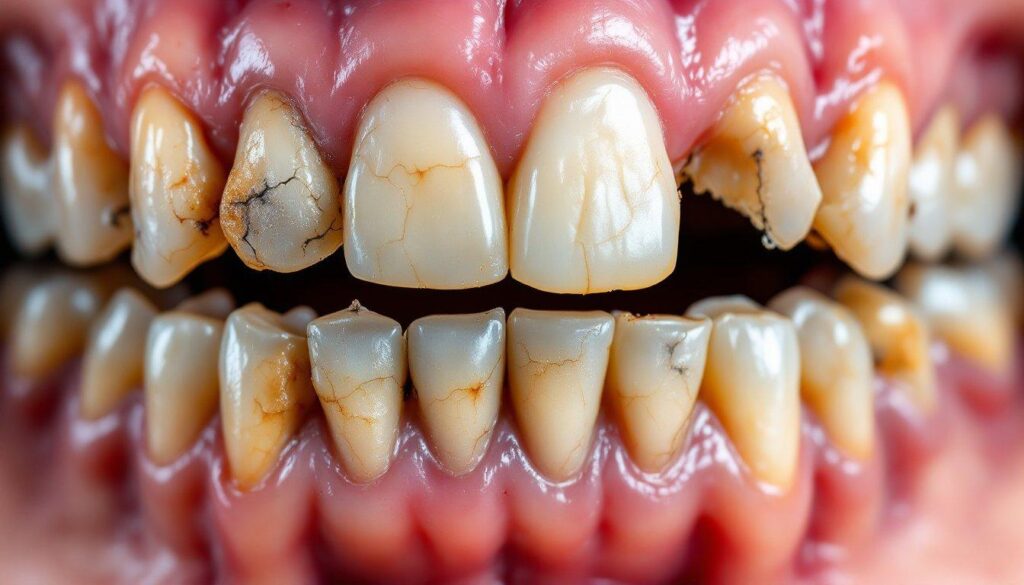
A chipped edge, a sudden zing of pain when you bite into ice, a visible line across a molar: tooth damage rarely arrives with a clear explanation attached. Newport Beach dentists restore worn, cracked, or broken teeth using a range of techniques, from bonding and fillings for minor damage to crowns, root canals, or extraction and replacement for more serious cases, with the choice driven by how deep the damage goes and whether the tooth’s nerve is involved.
Some damage is cosmetic and painless. Other damage signals a crack heading toward the root, where delay can cost you the tooth. Knowing which situation you’re in changes what happens next, and how quickly you need to act.
This guide from the team at Luminous Smiles walks through how to tell wear, cracks, and breaks apart, what repair options a dentist will consider, and how a diagnosis actually gets made before treatment begins.
What Kind of Tooth Damage Do You Have?
Tooth damage falls into three broad categories: gradual wear, cracks, and outright breaks, and each behaves differently in your mouth. Recognizing which one you’re dealing with helps you understand how urgent the situation is and what a dentist will likely check first.
How Do Wear, Cracks, and Breaks Differ?
Wear happens slowly, breaks happen suddenly, and cracks often sit in between, hidden until they cause pain.
Wear (attrition, erosion, or abrasion) flattens or thins teeth over months and years. Grinding, acidic foods, and aggressive brushing are common drivers. It’s usually painless in early stages.
Cracks are partial fractures that can start at the chewing surface and travel downward. Some stay confined to enamel; others extend toward the root and nerve. Cracks are notoriously hard to spot, and even X-rays miss many of them.
Breaks (chips or fractures) remove a visible piece of tooth structure. They’re immediately noticeable, whether from a fall, a hard food, or a blow to the face.
|
Damage Type |
Onset |
Visibility |
Typical Cause |
|
Wear |
Gradual |
Often subtle |
Grinding, acid, aging |
|
Crack |
Sudden or slow-growing |
Frequently invisible |
Biting hard objects, large fillings, trauma |
|
Break |
Sudden |
Obvious |
Impact, hard food, decay-weakened tooth |
Which Symptoms Need Prompt Dental Attention?
Sharp pain when biting down, lingering sensitivity to hot or cold, and pain that comes and goes without an obvious cause all warrant a same-week dental visit. These are classic signs of cracked tooth syndrome, where a fracture is present but not yet visible.
Other signals that shouldn’t wait:
- Visible fracture lines, especially ones that reach the gumline
- Swelling around a specific tooth
- A tooth that feels loose or shifts under pressure
- Pain that spikes when you release a bite, not just when you clamp down
A dull ache that fades within a day, without swelling or bite pain, is less urgent but still worth mentioning at your next cleaning.
How Do Dentists Repair Damaged Teeth?
Repair options range from a 20-minute bonding appointment to a multi-visit crown or root canal, and the decision hinges on how much tooth structure is intact and whether the nerve has been compromised. Dentists in Newport Beach generally start with the least invasive option that will hold up long-term, then move to more involved treatment only when the damage demands it.
When Are Bonding, Fillings, or Inlays and Onlays Enough?
Bonding, fillings, and inlays or onlays handle damage that hasn’t reached the tooth’s nerve. A small chip or a shallow crack limited to enamel is often smoothed and sealed with composite resin in a single visit.
Bonding rebuilds chipped edges and small surface cracks using tooth-colored resin, cured and shaped to match the surrounding tooth.
Fillings address decay-related damage or small fractures where a portion of the tooth structure needs replacing, not just resurfacing.
Inlays and onlays step in when damage is too large for a filling but doesn’t require a full crown. They’re custom-fabricated to fit the damaged area precisely, often in porcelain or composite, and cemented into place.
When Does a Tooth Need a Crown or Root Canal?
A tooth needs a crown when too much structure is missing to support a filling, and it needs a root canal first if the crack or break has reached the nerve. These often go together: root canal to remove damaged pulp tissue, then a crown to protect what remains.
Crowns cap the entire visible tooth, restoring shape, strength, and bite function. They’re common after:
- Large fractures that leave thin, weakened tooth walls
- Cracks extending below the chewing surface
- Teeth that have already had significant fillings and need reinforcement
If a crack reaches the pulp chamber, nerve tissue becomes inflamed or infected, causing the throbbing or lingering pain that sends people in for emergency care. A root canal removes that tissue, seals the canal, and sets up the tooth for a crown.
When Is Extraction and Tooth Replacement Necessary?
Extraction becomes necessary when a crack extends vertically into the root, splitting the tooth in a way no crown or root canal can reliably hold together. Vertical root fractures and teeth broken below the gumline often fall into this category.
Once a tooth is removed, replacement options include:
- Dental implants, which replace the root and crown individually
- Bridges, which anchor a replacement tooth to neighboring teeth
- Partial dentures, for replacing multiple teeth without implant surgery
Leaving a gap unaddressed shifts bite forces onto neighboring teeth, which raises the risk of new cracks forming there.
How Is the Right Treatment Chosen?
Treatment choice comes down to three questions: how deep does the damage go, is the nerve involved, and how much healthy tooth structure remains to work with. Dentists answer these through a combination of visual exam, imaging, and targeted testing before recommending a path.
How Do Dentists Find Cracks That Are Hard to See?
Dentists rely on magnification, dye, and bite testing because many cracks don’t show up on standard X-rays. A fracture line running parallel to an X-ray beam can be completely invisible on film, even when it’s causing real pain.
Common diagnostic tools include:
- A magnifying loupe or dental microscope to spot fine surface lines
- Dye that seeps into crack lines and makes them visible under light
- A bite test using a small stick or tool, where pain on release (not on biting) points to a crack
- Transillumination, shining light through the tooth to reveal fracture shadows
Because symptoms can be intermittent, more than one visit is sometimes needed to pin down which tooth, and which side of that tooth, is the source.
What Determines Whether a Tooth Can Be Saved?
A tooth’s chances hinge on crack direction and depth. Horizontal or shallow cracks confined to the crown are far more treatable than cracks running vertically toward or through the root.
Key factors a dentist weighs:
- Location: cracks below the gumline are harder to treat and carry a worse prognosis
- Direction: vertical fractures reaching the root usually mean extraction
- Nerve involvement: pulp exposure requires root canal treatment before restoration
- Remaining structure: enough healthy tooth must remain to anchor a crown or filling
Catching a crack while it’s still confined to enamel gives you the widest range of options, which is part of why prompt evaluation matters when symptoms first appear.
How Can You Prevent Further Wear or Damage?
A nightguard is the single most effective tool against grinding-related wear and new cracks, particularly for patients who clench during sleep without realizing it. Custom-fitted guards distribute bite force evenly and protect enamel from further flattening.
Other practical steps:
- Avoid chewing ice, hard candy, or popcorn kernels directly
- Address existing wear or bite misalignment before it worsens
- Keep up with routine exams, where small cracks are often caught before symptoms start
- Ask about a nightguard if you wake up with jaw soreness or headaches
Teeth with large existing fillings carry added risk, since less natural structure remains to resist new fractures. Those teeth deserve extra attention during checkups.
Getting the Right Repair Starts with a Diagnosis
Worn, cracked, and broken teeth call for different responses, and the right one depends on how far the damage reaches, not just how it looks on the surface. Minor chips and shallow cracks often resolve with bonding or a filling in a single visit. Deeper damage involving the nerve moves toward a root canal and crown, while fractures reaching the root may require extraction and replacement.
A prompt exam, using magnification, dye, or bite testing when needed, is what turns uncertainty into a clear plan. If you’re noticing sensitivity, a visible line, or pain when you release a bite, scheduling that exam sooner rather than later keeps more treatment options on the table.