
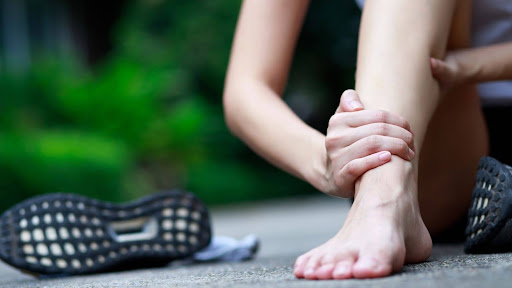
Most of us have experienced tired legs after a long day, mild swelling after hours of sitting, or discomfort after spending more time on our feet than usual. These changes can seem ordinary, especially when life gets busy. We often rest for a while, have a cup of tea, and carry on with our usual routine. While occasional tiredness is common, persistent or unusual changes in leg health deserve more attention.
Our bodies often communicate through small changes before a problem becomes difficult to ignore. Learning to recognize these signals is an important part of everyday wellness. Just as we pay attention to sleep, digestion, and emotional well-being, we should also notice how our legs feel and look throughout the day. For people experiencing ongoing vein concerns in Southwest Florida, personalized varicose vein treatment in Naples is one option to explore when seeking information about specialist evaluation and care. Florida Vein Experts provides vein assessments at its Naples clinic, including duplex ultrasound examinations and treatment planning based on individual findings.
Listening to your body does not mean worrying about every ache or assuming that something is wrong. It means understanding what is normal for you, noticing when something changes, and knowing when professional advice may be helpful. This simple approach can make self-care more meaningful and help people make informed decisions about their health.
Why Paying Attention to Your Legs Matters
Our legs support many of the activities that make everyday life enjoyable, from walking outdoors and exercising to travelling, working, and spending time with loved ones. They also play an important role in circulation. Healthy blood flow helps deliver oxygen and nutrients throughout the body, while the veins in the legs work to carry blood back toward the heart.
Unlike arteries, which carry blood away from the heart, veins in the legs must move blood upward against gravity. One-way valves inside these veins help prevent blood from flowing backward, while the surrounding muscles assist the process when we walk or move.
When these valves do not function properly, blood may collect in the veins. This can contribute to a condition called chronic venous insufficiency and may lead to varicose veins, swelling, aching, or a feeling of heaviness in the legs.
Not every leg symptom points to a vein condition. Muscle fatigue, injuries, medication effects, and other health concerns can produce similar experiences. However, recurring discomfort should not automatically be dismissed as a normal part of getting older or maintaining a busy lifestyle.
Small Changes That May Be Worth Noticing
One reason people delay seeking advice about leg health is that symptoms can develop gradually. A person might initially notice that their legs feel tired in the evening or that their ankles look slightly swollen after a long day. Because the change seems minor, it can be easy to overlook.
Persistent heaviness, aching, itching, or swelling around the ankles may sometimes be associated with vein problems. Some people develop visible, enlarged veins that appear twisted beneath the skin, while others notice changes in the colour or texture of the skin around their lower legs.
The timing of symptoms can also provide useful information. For example, discomfort that becomes more noticeable after prolonged standing may be worth discussing with a healthcare professional, particularly if it occurs regularly or improves when the legs are elevated.
Pay attention to whether symptoms are becoming more frequent, affecting your ability to walk comfortably, or interfering with activities you usually enjoy. These observations can help you explain what you are experiencing during a medical appointment.
At the same time, avoid trying to diagnose yourself based on a single symptom. Leg swelling and pain have several possible causes, and a proper assessment is needed to understand what is happening.
How Everyday Routines Can Affect Leg Health
Modern lifestyles can make it difficult to move regularly throughout the day. Desk jobs, long commutes, extended periods of standing, and hours spent travelling can all leave the legs feeling uncomfortable.
Movement helps activate the calf muscles, which assist the return of blood through the veins. When someone remains in the same position for a long time, these muscles are less active. Taking regular breaks to walk, stretch, or move the ankles can help reduce prolonged inactivity.
A simple daily routine might include a short walk in the morning, a few minutes of movement between work tasks, and gentle stretching after sitting for an extended period. People who stand for long hours may benefit from changing positions regularly and taking seated breaks whenever practical.
Hydration, balanced meals, regular physical activity, and adequate sleep also contribute to general well-being. Maintaining a healthy weight when appropriate may reduce some of the pressure placed on the veins in the legs.
These habits are helpful parts of a healthy lifestyle, but they cannot correct every underlying vein problem. Someone can maintain an active routine and still develop varicose veins because of factors such as family history, age, pregnancy, or changes in vein valves. Healthy habits should support self-care, not become a reason to blame yourself when symptoms appear.
The Connection Between Self-Care and Body Awareness
Self-care is often presented as something that happens during a quiet evening, a relaxing holiday, or a visit to a spa. Those moments can be valuable, but caring for yourself also involves paying attention to your physical needs throughout ordinary days.
For example, someone who regularly experiences leg heaviness after work might begin by noticing when the discomfort starts and whether it changes with movement or rest. This awareness can help them identify patterns and decide whether they need to make adjustments to their routine or seek medical advice.
A relaxing evening with a warm drink, a good book, or a few minutes of quiet reflection can create an opportunity to slow down and notice how you feel. Gentle movement and leg elevation may also provide temporary comfort for some people, depending on the cause of their symptoms.
However, relaxation should not replace medical evaluation when symptoms persist. A massage or other wellness treatment may help relieve general tension, but it cannot repair damaged vein valves. People with unexplained swelling, suspected blood clots, or known vascular conditions should seek professional advice before using treatments involving strong pressure or heat.
The most useful form of self-care is one that combines comfort with awareness. It allows you to enjoy relaxing routines while remaining attentive to changes that may need more than rest.
When Visible Veins Deserve Medical Attention
Varicose veins are enlarged veins that often appear blue, purple, or twisted beneath the skin. Although some people primarily notice their appearance, others experience aching, heaviness, itching, swelling, or discomfort after standing.
Spider veins are smaller visible blood vessels that may appear as fine red, purple, or blue lines near the skin’s surface. They are not the same as varicose veins, and their presence does not automatically indicate a serious underlying problem.
Still, visible veins accompanied by persistent symptoms deserve an appropriate assessment. A healthcare professional can review your medical history, examine the affected area, and determine whether additional testing is needed.
A duplex ultrasound is commonly used to evaluate blood flow and assess whether blood is moving backward through affected veins. The results can help distinguish between different vein conditions and guide decisions about treatment.
If you notice recurring swelling, skin discolouration, persistent itching, or a sore around the lower leg that is slow to heal, arrange a medical assessment rather than relying only on home remedies. Early evaluation can help clarify the cause and identify suitable next steps.
Sudden swelling in one leg, particularly when accompanied by pain, warmth, or redness, requires urgent medical assessment because it may indicate a blood clot. Sudden chest pain, difficulty breathing, fainting, or coughing up blood can signal a medical emergency and requires immediate emergency assistance.
Understanding Your Options for Vein Care
Learning that a symptom may be related to vein disease can feel overwhelming, especially if you have never needed specialist care before. The good news is that an evaluation does not automatically mean you will need a procedure. The first step is understanding the cause of the symptoms.
Depending on the diagnosis, treatment options may include minimally invasive procedures such as radiofrequency ablation or sclerotherapy. Radiofrequency ablation uses controlled heat to close a problematic vein, while sclerotherapy involves injecting a solution into selected veins. Other options may be appropriate for certain patients, depending on the location and severity of the condition.
Not everyone needs the same treatment, and visible veins alone do not determine which approach is appropriate. A qualified provider should explain the diagnosis, available options, potential risks, expected recovery, and likely benefits before treatment decisions are made.
It is also reasonable to ask questions about costs, insurance coverage, follow-up appointments, and whether conservative measures may be appropriate. Understanding the process can make the experience less intimidating and help you feel more confident about your choices.
Building a Habit of Checking In With Yourself
Paying attention to your health does not need to become a complicated routine. Small moments of awareness can help you recognize changes without becoming overly concerned about every physical sensation.
Notice how your legs feel after a long day, whether swelling appears regularly, and whether discomfort affects your usual activities. If you experience recurring symptoms, consider writing down when they occur, how long they last, and what seems to make them better or worse. This information may help a healthcare professional understand your concerns.
It is equally important to consider the wider picture. Are you spending most of the day sitting? Do you have opportunities to walk regularly? Have you noticed a recent change in activity, medication, or general health? These details can provide useful context, although they cannot replace a proper medical assessment.
Avoid comparing your symptoms with someone else’s experience. Two people can have similar-looking veins but very different underlying conditions. Your own symptoms, medical history, and examination findings are more useful guides than online comparisons.
Most importantly, give yourself permission to seek advice when something does not feel right. You do not need to wait until discomfort becomes severe before asking a healthcare professional about a persistent change.
Make Listening to Your Body Part of Everyday Wellness
Looking after your health often begins with ordinary decisions: taking a walk instead of sitting for another hour, allowing time to rest, eating balanced meals, or paying attention when your body feels different. These choices may seem small, but they can help create a more thoughtful approach to long-term well-being.
Leg health deserves the same attention as other aspects of self-care. Persistent heaviness, swelling, pain, skin changes, or visible veins accompanied by discomfort should not simply be dismissed as an unavoidable part of ageing or a busy lifestyle.
Although healthy habits support general circulation and physical well-being, they cannot prevent or resolve every vein condition. Recognizing when professional guidance is needed is just as important as maintaining a healthy routine.
The next time you take a quiet moment for yourself, remember that self-care is not only about feeling relaxed. It is also about noticing what your body is telling you, responding with patience, and making informed choices. Sometimes, the most meaningful step toward better wellness is simply paying attention.
Conclusion: Listening to Your Body Is an Act of Self-Care
Taking care of your legs begins with paying attention to the small changes that occur in everyday life. Persistent heaviness, swelling, aching, or visible vein changes may be easy to overlook, but recognizing these signs can help you make informed decisions about your health. Simple habits such as staying active, moving regularly throughout the day, and allowing time for rest can support overall well-being, although they cannot address every underlying vein condition.
Most importantly, do not feel that you need to wait until discomfort affects your daily life before seeking advice. A healthcare professional can help identify the cause of persistent symptoms and explain whether further evaluation or treatment is appropriate. Listening to your body is not about expecting the worst; it is about responding thoughtfully when something changes. By combining everyday self-care with timely medical guidance, you can take a more confident and informed approach to your long-term health.