
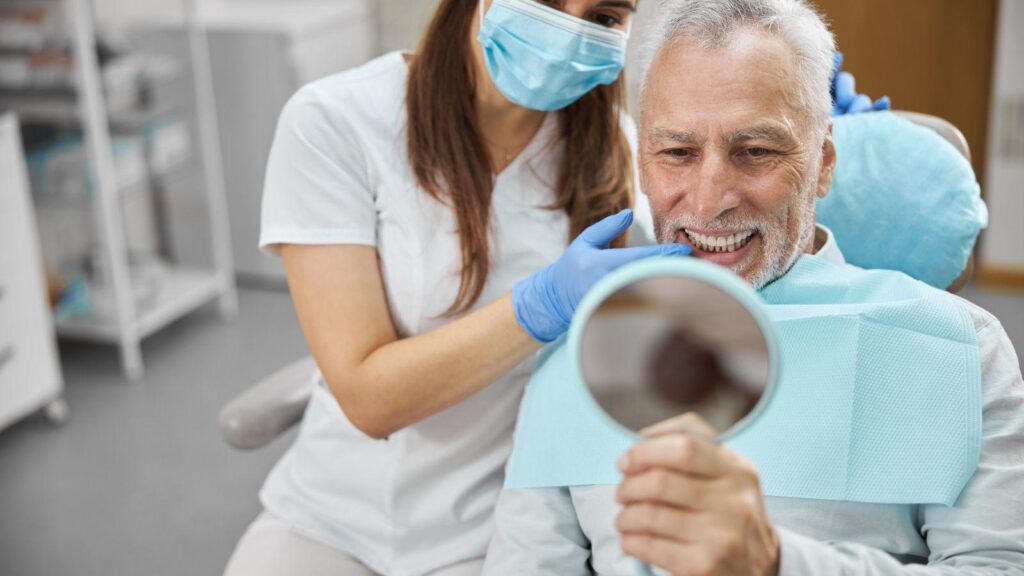
Oral sedation can help you feel calm during dental treatment while you remain awake and able to respond. Knowing how to prepare, what happens during the appointment, and how to manage recovery can help you approach your visit with greater confidence. If you’re scheduled for oral sedation dentistry in Greenville, SC, understanding these practical steps ahead of time can make the whole experience feel much more manageable.
You typically take a prescribed sedative before your appointment, arrange transportation and supervision, receive monitoring during treatment, and rest afterward while the medication wears off. Your dentist will explain when to take the medication, which foods or medicines to avoid, and what support you need at home.
Your appointment may feel different from a routine visit, so practical details matter. Learn how to prepare, what sensations to expect during treatment, and which aftercare steps support a safe recovery.
Preparing for Your Visit
Prepare by sharing accurate health information, following your dentist’s eating and medication instructions, and arranging reliable transportation. These steps help your dental team plan safely and help you recover without managing routine tasks alone.
Health History and Medication Review
Give your dentist a complete health history before the appointment. Include allergies, breathing problems, sleep apnea, heart or lung conditions, pregnancy, previous reactions to anesthesia or sedation, and any history of difficulty with sedation.
Provide a current list of all prescription medicines, over-the-counter products, vitamins, and supplements. Some medicines can interact with oral sedatives or affect breathing and blood pressure.
Do not stop, skip, or change a prescribed medicine unless your dentist or prescribing clinician tells you to do so. Tell the dental team about alcohol, cannabis, or recreational drug use.
These substances can alter sedation effects and may increase risks. Follow any instructions your dentist gives about taking regular medicines on the appointment day.
Fasting and Pre-Appointment Instructions
Your dentist will tell you whether to avoid food and drinks before oral sedation. Follow those instructions exactly, including the required time to stop eating, drinking, or consuming milk, juice, coffee, and chewing gum.
Fasting requirements can differ according to the sedative, treatment, and your medical history. Ask what you may take with a small sip of water if you use daily medication.
Wear comfortable clothing that allows your dental team to check your blood pressure or attach monitoring equipment. Avoid alcohol and other substances that your provider has advised you to avoid before treatment.
Confirm the appointment time and ask when to arrive. Contact the dental office before traveling if you accidentally eat or drink outside the instructions, develop an illness, or cannot follow the preparation plan.
Arranging Transportation and Support
Arrange for a responsible adult to drive you to and from the appointment. Oral sedation can impair alertness, coordination, judgment, and memory even after you leave the dental office, so you should not drive yourself or rely on public transportation alone.
Your escort may need to remain at the office during treatment and take you directly home, depending on the dentist’s policy. Plan to avoid work, school, important decisions, and childcare responsibilities for the rest of the day unless your dental team gives different guidance.
Prepare a quiet place to rest at home and keep your phone nearby. Follow the discharge instructions, take only approved medicines, and ask your escort to monitor you and contact the dental office if the instructions raise concerns.
What Happens During Treatment
You take the prescribed medication as directed, while your dental team checks your vital signs and adjusts care to maintain your safety. The team also uses local anesthetic and practical comfort measures to help you remain relaxed and pain-free during treatment.
Sedation Administration and Monitoring
Your dentist confirms that you followed the preparation instructions and reviews your current medications, allergies, and health history. You take the oral sedative at the prescribed time, often before the procedure so its effects can begin before treatment starts.
Because oral sedation can impair coordination and alertness, you remain in the office under supervision. The dental team monitors your breathing, pulse, blood pressure, and oxygen level throughout the appointment.
You generally remain conscious and able to respond to questions, although you may feel drowsy and remember little afterward. Oral sedation does not replace local anesthesia, so your dentist usually numbs the treatment area before beginning.
Tell the team immediately if you feel pain, nausea, breathing difficulty, or excessive discomfort.
Comfort Measures During the Procedure
Your dentist explains each step in simple terms and gives you opportunities to signal if you need a pause. A local anesthetic blocks pain in the treatment area, while the sedative helps reduce anxiety and makes the appointment feel easier to tolerate.
You may receive protective eyewear, a dental dam, suction, and a cushion or neck support to improve comfort. The team keeps the treatment area controlled and watches for signs that you need assistance.
If you feel pressure, vibration, or movement, that does not necessarily indicate pain, but you should report any sharp sensation. Agree on a hand signal before treatment begins so you can communicate without speaking while the dentist works.
Recovery and Post-Appointment Care
Oral sedation can impair your alertness, coordination, memory, and judgment for several hours. Arrange an adult escort, follow your dentist’s instructions, rest at home, and avoid activities that require full attention until your dental team confirms it is safe.
Immediate Recovery Period
After treatment, you will remain in the dental office until you are awake, responsive, and medically stable. Your team may check your breathing, blood pressure, oxygen level, and ability to sit or walk safely.
You might feel drowsy, unsteady, mildly dizzy, or have limited memory of the appointment. Your escort must drive you home and stay with you for the period your dentist specifies.
Do not drive yourself, use public transportation alone, operate machinery, make important decisions, or care for another person while the sedative may still affect you. Follow the office’s instructions about eating and drinking.
If permitted, start with small amounts of water and light foods. Numbness from local anesthetic may last longer than the sedation, so avoid hot foods and drinks and chew carefully to prevent burns or bites.
At-Home Care and Activity Restrictions
Rest in a safe, comfortable place for the remainder of the day. Take prescribed medicines exactly as directed, and do not combine sedatives with alcohol, recreational drugs, sleep aids, or other medicines that cause drowsiness unless your dentist or physician approves.
Avoid driving, cycling, strenuous exercise, work, school, and legal or financial decisions until you have fully recovered and your dental office gives you specific guidance. Keep your escort informed if you feel unusually sleepy, confused, nauseated, or unsteady.
Resume food, brushing, flossing, and other oral-care routines according to your dentist’s instructions. If you had an extraction or another surgical procedure, follow its separate aftercare directions, including instructions about bleeding, rinsing, swelling, and pain control.
Do not smoke or vape while your mouth is numb.
When to Contact the Dental Office
Call the dental office if vomiting continues, nausea prevents you from drinking, pain remains uncontrolled with the recommended medicine, or bleeding does not improve with firm gauze pressure. Contact the office if numbness lasts substantially longer than expected.
Reach out if you develop worsening swelling, fever, a rash, or another symptom that concerns you.
Seek emergency care immediately for trouble breathing, chest pain, fainting, severe confusion, inability to stay awake, blue or gray lips, or signs of a serious allergic reaction such as facial or throat swelling. If you cannot reach the dental office, use local emergency services.
Keep your discharge instructions and medication list available when you call.