
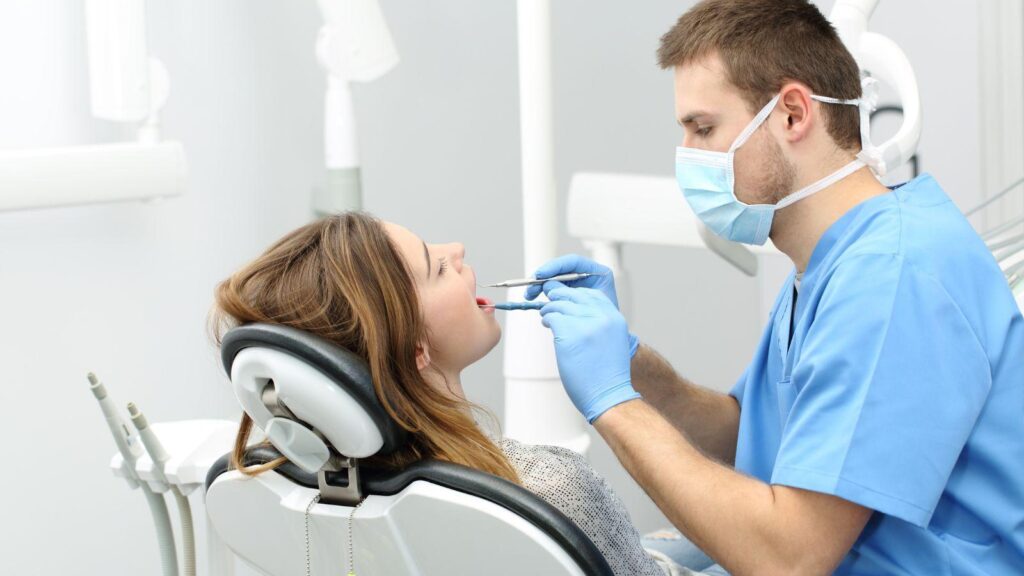
A dental emergency can happen at night, on a weekend, or during a holiday. Severe pain, uncontrolled bleeding, facial swelling, a broken tooth, or a knocked-out tooth may require prompt attention rather than waiting for your regular dentist to reopen. Knowing how to reach an emergency dentist in Southfield, MI ahead of time can save valuable minutes when a real emergency happens.
Call your dentist’s after-hours line, contact an emergency dental clinic, or seek emergency medical care if swelling affects your breathing or swallowing. While you arrange care, protect the area, rinse gently with warm water, and avoid placing aspirin directly on your gums.
A knocked-out permanent tooth needs quick action: handle it by the crown, keep it moist, and seek urgent dental care.
Recognizing Urgent Dental Problems
Severe infection, traumatic tooth damage, and bleeding that will not stop require prompt attention, especially when symptoms worsen after regular office hours. Signs involving your breathing, swallowing, vision, or general health require emergency medical care rather than waiting for a routine dental appointment.
Signs of Severe Infection
A dental infection may cause intense, persistent tooth pain, swelling in your gum or face, a tender lymph node, fever, chills, or a foul taste from draining pus. Swelling that spreads toward your eye, neck, or throat signals a potentially serious complication.
Call emergency services or go to an emergency department immediately if you have trouble breathing or swallowing, cannot open your mouth normally, feel confused or faint, or develop rapidly increasing facial or neck swelling. These symptoms can indicate that infection is affecting your airway or overall health.
If you have localized swelling without breathing or swallowing problems, contact an emergency dentist or your dentist’s after-hours service. Do not place aspirin on the gum, attempt to drain the swelling, or rely on leftover antibiotics.
Rinse gently with warm salt water, take an appropriate over-the-counter pain reliever if safe for you, and seek professional evaluation promptly.
Traumatic Tooth Injuries
After a blow to your mouth, seek urgent dental care for a knocked-out, loosened, pushed-in, displaced, cracked, or severely broken tooth. Also seek evaluation for jaw pain, facial swelling, numbness, difficulty closing your mouth, or persistent bleeding.
If a permanent tooth comes out, hold it by the crown, not the root. Gently rinse visible dirt with water without scrubbing, then place the tooth back into its socket if you can do so safely.
If that is not possible, keep it moist in milk or inside your cheek and get immediate dental care. Do not use this method for a baby tooth.
For a broken tooth, save any fragment in milk or saliva and cover sharp edges with dental wax or clean gauze. Avoid chewing on the injured side.
Go to an emergency department for heavy facial trauma, suspected jaw fracture, loss of consciousness, or breathing difficulty.
Uncontrolled Oral Bleeding
Mild bleeding after dental treatment or an injury often improves when you place clean gauze over the area and apply firm, continuous pressure for 20 to 30 minutes. Sit upright, avoid vigorous rinsing, and do not repeatedly remove the gauze to check the site.
Contact an emergency dentist when bleeding continues despite proper pressure, restarts heavily, or follows a significant injury. Tell the provider if you take warfarin, apixaban, aspirin, or another medication that affects clotting, or if you have a bleeding disorder.
Go to an emergency department immediately if blood fills your mouth, you feel weak or faint, you have trouble breathing, or pressure does not control the bleeding. Avoid smoking, alcohol, strenuous activity, and hot drinks, which can disturb a developing clot.
Immediate Steps to Protect Your Mouth
Rinse gently, control bleeding or swelling, and avoid placing aspirin directly on your gums. Preserve a knocked-out tooth or damaged restoration carefully, then contact an emergency dentist or local urgent dental service for instructions.
Managing Pain and Swelling
Rinse your mouth with lukewarm water to remove debris. If bleeding continues, press clean gauze against the area for 10–15 minutes without repeatedly checking it.
Apply a cold pack wrapped in cloth to the outside of your cheek for 15 minutes at a time, with breaks between applications. If you can take them safely, use ibuprofen or acetaminophen according to the package directions.
Do not exceed the labeled dose, and avoid ibuprofen if you have been told not to take NSAIDs, have a relevant allergy, or have certain stomach, kidney, bleeding, or pregnancy-related risks. Do not place aspirin or pain medication directly on the gums.
Seek emergency medical care for uncontrolled bleeding, facial swelling that affects breathing or swallowing, or swelling that spreads toward your eye or neck.
Handling a Knocked-Out Tooth
Hold the tooth by the crown, the visible part, and avoid touching the root. If it looks dirty, rinse it briefly with clean water.
Do not scrub it, scrape it, or use soap or disinfectant. If possible, gently place the tooth back into its socket without forcing it.
If that is not possible, keep it moist in a container of milk or an appropriate tooth-preservation solution. You can also hold it between your cheek and gums if you can do so safely, but do not use this method for a young child who might swallow it.
Contact an emergency dentist immediately. Time matters, so do not let the tooth dry out or place it in tap water for extended storage.
Protecting a Broken Tooth or Restoration
Collect any broken tooth pieces, crown, filling, bridge, or veneer and store them in a clean container. Rinse your mouth gently, then cover sharp edges with dental wax, sugar-free gum, or gauze to protect your tongue and cheek.
Avoid chewing on that side and choose soft foods until you receive care. Do not use household glue to reattach a restoration.
If a crown comes off, you may rinse it and keep it safe; do not force it back into place if it does not fit easily. Avoid very hot, cold, hard, or sticky foods, which can increase pain or dislodge more material.
Call an emergency dentist, especially if the break exposes a pink or bleeding center, causes severe sensitivity, follows facial trauma, or leaves a sharp edge.
Finding Appropriate After-Hours Care
Start by contacting your dentist’s office, even when it is closed, because the voicemail may provide an on-call number or instructions. Choose a dental clinic that treats urgent cases, but go to an emergency room for severe swelling, uncontrolled bleeding, breathing problems, or injuries involving the jaw or face.
Contacting Your Dentist’s Emergency Line
Call your regular dentist’s office and listen to the entire voicemail message. Many practices provide an after-hours number, instructions for urgent appointments, or the location of a covering dentist.
Leave your name, phone number, symptoms, and the best time to reach you if no one answers. Explain specific warning signs, such as facial swelling, fever, heavy bleeding, a knocked-out tooth, or severe pain that does not improve with recommended medication.
Ask whether you should attend an urgent appointment or seek hospital care. While you wait, follow the instructions you receive.
Do not place aspirin directly on your gums, apply heat to swelling, or attempt to repair a broken tooth with household glue.
Choosing an Emergency Dental Clinic
Search for a clinic that explicitly offers after-hours or emergency appointments and confirm its hours before traveling. Ask whether the dentist treats your problem, accepts your insurance, and requires payment or a deposit at the visit.
A suitable clinic can usually assess severe toothache, dental infections, broken or loose teeth, lost fillings, and injuries to the mouth. Call ahead and describe your symptoms so staff can determine whether they can provide appropriate treatment or need to refer you elsewhere.
Bring identification, insurance information, a medication list, and details about allergies or medical conditions. If a tooth has come out, handle it by the crown, rinse it gently if dirty, and place it in milk or a tooth-preservation solution.
Do not scrub the root.
Knowing When to Visit the Emergency Room
Go to an emergency room immediately if dental problems cause difficulty breathing or swallowing, rapidly increasing swelling of the face or neck, uncontrolled bleeding, or signs of a serious infection such as confusion, fainting, or severe weakness. These symptoms can threaten your airway or indicate a broader medical emergency.
Seek hospital care after major facial trauma, suspected jaw fractures, loss of consciousness, or injuries involving the eyes or head. Call emergency services if you cannot safely travel or if breathing becomes difficult.
An emergency room can stabilize serious conditions, control bleeding, provide medication, and arrange specialist care. It may not perform definitive dental treatment, so contact a dentist afterward for procedures such as a root canal, extraction, or permanent repair.
Preparing for Your Appointment
Collect essential health details, document what happened, and follow safe first-aid measures while arranging care. Avoid placing medication directly on the tooth or gum, delaying treatment, or taking actions that could increase bleeding, swelling, or injury.
Gathering Relevant Medical Information
Write down when the problem started, what caused it, and any changes in pain, swelling, bleeding, fever, or sensitivity. If you injured your mouth, note whether you lost consciousness or struck your head.
Bring or share:
- A list of medications, supplements, and allergies
- Information about medical conditions, pregnancy, diabetes, or immune problems
- Your dentist’s name and recent dental records, if available
- Details about dental insurance and your preferred pharmacy
- The tooth, filling, crown, denture, or dental appliance involved
Take clear photos of visible swelling, damage, or a displaced tooth if doing so does not delay care. Keep a knocked-out permanent tooth moist in milk or an approved tooth-preservation solution, and handle it only by the crown, not the root.
Avoiding Actions That May Worsen the Injury
Do not place aspirin, alcohol, clove oil, or other chemicals directly on your tooth or gums. These substances can irritate or burn oral tissue.
Use over-the-counter pain medicine only as directed on the label and only if it is safe for you. Do not exceed the recommended dose.
Avoid hard, sticky, very hot, or very cold foods. Choose soft foods and chew on the opposite side.
Do not apply heat to facial swelling, because it may worsen inflammation. Use a cold compress wrapped in cloth for short periods instead.
If a tooth is loose, broken, or displaced, do not force it back into place. Avoid pulling embedded objects from the mouth.
Seek emergency medical care immediately for uncontrolled bleeding, trouble breathing or swallowing, rapidly spreading swelling, or a serious facial injury.