
Introduction
Good circulation is one of those aspects of health that rarely receives much attention until something starts to feel wrong. Most people think about heart health, weight management, or fitness, but few stop to consider how efficiently blood moves throughout the body every single day. Yet healthy circulation is essential for delivering oxygen and nutrients to tissues, supporting muscle function, regulating body temperature, and helping organs perform at their best.
The encouraging news is that protecting your circulatory system doesn’t always require dramatic lifestyle changes. In fact, some of the most effective ways to support healthy blood flow are built into small, consistent habits practiced every day. A short walk after lunch, drinking enough water, stretching during work, or getting adequate sleep may seem insignificant on their own, but together they can make a meaningful difference over time.
While many circulation concerns can be improved through healthy daily habits, persistent symptoms such as leg swelling, aching, heaviness, or visible veins deserve professional evaluation. Seeking care from a nationally accredited vein center with 10,000+ successful treatments can help identify underlying vein conditions early and provide personalized treatment options to support long-term vascular health.
Why Healthy Circulation Matters
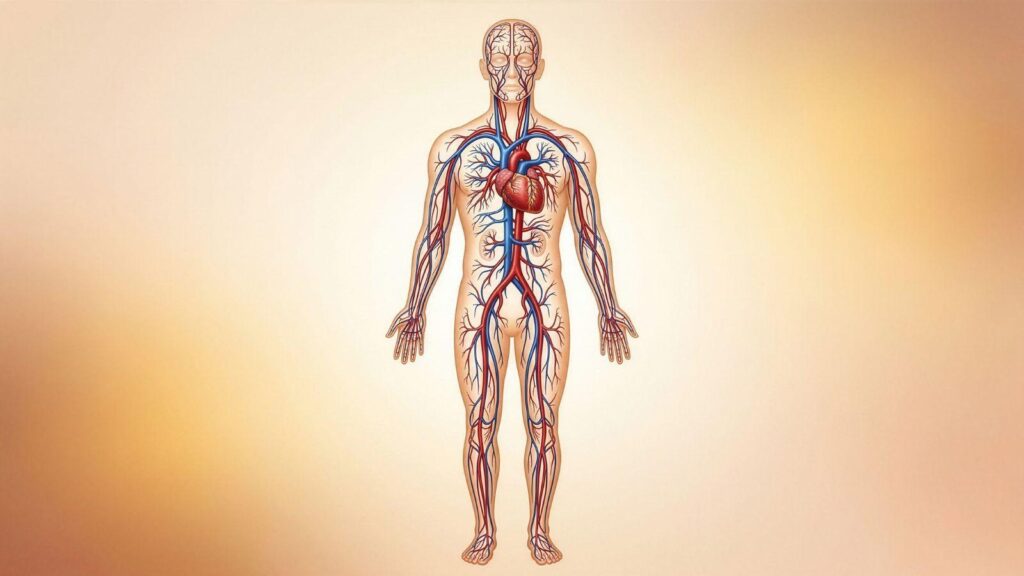
The circulatory system works around the clock without taking a single break. Every heartbeat sends oxygen-rich blood through arteries to nourish muscles, skin, nerves, and organs. Veins then carry blood back toward the heart, relying on healthy valves and muscle movement to work against gravity.
When circulation functions efficiently, the body generally feels energized, muscles recover more quickly, wounds heal effectively, and everyday movement feels effortless.
When blood flow becomes less efficient, however, people may begin noticing symptoms such as tired legs, swelling, cold feet, muscle cramps, heaviness, or visible veins. While these symptoms can have many different causes, they often signal that circulation deserves greater attention.
Supporting vascular health early is one of the simplest ways to promote long-term wellness.
Movement Is Nature’s Circulation Booster
Our bodies were designed to move regularly throughout the day.
Walking, stretching, climbing stairs, gardening, dancing, cycling, or simply standing up every hour all encourage healthy blood flow by activating the calf muscles, often called the body’s “second heart.” These muscles help pump blood upward from the legs toward the heart.
Modern lifestyles often involve prolonged sitting at desks, in cars, or in front of televisions. Remaining in one position for extended periods allows blood to pool in the lower legs, increasing pressure inside the veins.
Fortunately, even brief movement breaks lasting just a few minutes can help restore circulation and reduce stiffness.
Consistency matters more than intensity.
Hydration Supports Healthy Blood Flow
Water influences nearly every function within the body, including circulation.
When hydration levels are adequate, blood maintains an appropriate consistency that allows it to move efficiently through blood vessels. Dehydration, on the other hand, can contribute to thicker blood, reduced circulation, fatigue, and muscle cramps.
Many people underestimate how much water they need during busy workdays, especially when coffee or sugary beverages replace plain water.
Building the simple habit of carrying a reusable water bottle often encourages healthier hydration without requiring major lifestyle adjustments.
Nutrition and Vascular Health Go Hand in Hand
What we eat affects our blood vessels every day.
A balanced eating pattern rich in colorful vegetables, fruits, whole grains, legumes, lean proteins, nuts, seeds, and healthy fats supports cardiovascular and vascular health.
Foods naturally high in antioxidants help protect blood vessels from oxidative stress, while dietary fiber supports cholesterol management and overall cardiovascular function.
Reducing excessive sodium intake may also help minimize fluid retention that contributes to swelling in some individuals.
Rather than focusing on restrictive diets, choosing nourishing foods consistently tends to produce more sustainable health benefits.
Don’t Underestimate the Importance of Sleep
Sleep is one of the body’s most important recovery processes.
While we rest, numerous physiological systems repair tissues, regulate hormones, reduce inflammation, and support cardiovascular function.
Poor sleep has been associated with higher blood pressure, increased stress hormones, impaired metabolic health, and greater cardiovascular risk over time.
Creating a consistent sleep schedule and prioritizing quality rest contributes not only to improved energy but also to healthier circulation.
Stress Can Influence Physical Health
Stress is often viewed as an emotional experience, yet it produces measurable physical effects throughout the body.
When stress hormones remain elevated for prolonged periods, blood vessels may temporarily constrict, heart rate increases, and inflammation can rise.
Over months or years, chronic stress may indirectly influence cardiovascular health through poor sleep, unhealthy eating habits, reduced physical activity, and elevated blood pressure.
Simple stress-management practices such as mindfulness, breathing exercises, spending time outdoors, reading, or enjoying meaningful conversations can support both emotional and physical wellness.
Healthy Weight Supports Healthy Veins
Maintaining a healthy body weight reduces pressure placed on the circulatory system, particularly the veins of the lower extremities.
Excess body weight increases the workload required to return blood from the legs back toward the heart.
Even modest improvements in weight through sustainable nutrition and regular physical activity can reduce strain on the vascular system while improving mobility, endurance, and overall quality of life.
The goal is not perfection but gradual, lasting progress.
When Everyday Symptoms Deserve Medical Attention
Not every circulation concern can be resolved through lifestyle habits alone.
Persistent swelling, aching, heaviness, visible varicose veins, skin discoloration, or recurring leg discomfort should not automatically be dismissed as normal aging or the inevitable result of long workdays.
These symptoms may indicate underlying venous disease that benefits from professional evaluation.
Modern vascular medicine offers highly effective diagnostic tools and minimally invasive treatments that can significantly improve comfort and circulation while reducing future complications.
Individuals experiencing ongoing vein-related symptoms may benefit from consulting a nationally accredited vein center with 10,000+ successful treatments, where experienced specialists can evaluate circulation using advanced imaging technologies and develop personalized treatment plans tailored to each patient’s condition and lifestyle.
Early intervention often provides better long-term outcomes than waiting for symptoms to worsen.
Building Circulation-Friendly Habits Into Everyday Life
Healthy circulation is rarely the result of one dramatic decision. Instead, it develops through small choices repeated consistently.
Choosing the stairs instead of the elevator, taking a brief walk after meals, stretching between meetings, staying hydrated throughout the day, wearing comfortable footwear, avoiding prolonged sitting, and making time for restful sleep all contribute to healthier blood flow.
These habits require very little equipment, expense, or specialized knowledge. What they demand most is consistency.
Over months and years, these small routines accumulate into meaningful improvements in overall health.
Looking Beyond the Legs
Although circulation problems often become most noticeable in the legs, vascular health influences the entire body.
Healthy blood flow supports brain function, cardiovascular performance, kidney health, muscle recovery, skin healing, and energy production.
Taking care of circulation therefore represents an investment in whole-body wellness rather than focusing on a single symptom or condition.
By understanding this broader connection, people become more motivated to care for their health before problems arise.
Conclusion
Good circulation is built one habit at a time. While medical advances continue to improve the diagnosis and treatment of vascular conditions, many of the most effective ways to support healthy blood flow remain surprisingly simple.
Daily movement, proper hydration, nutritious eating, quality sleep, stress management, and paying attention to persistent symptoms all contribute to healthier circulation and improved overall well-being. These small actions may appear modest individually, but together they create a strong foundation for lifelong health.
The body responds remarkably well to consistent care. By embracing simple routines and seeking professional guidance when symptoms persist, individuals can support healthier circulation, greater mobility, and a higher quality of life for years to come.