
Introduction
When people think about long-term health, they often focus on major milestones such as annual physical exams, managing cholesterol, or maintaining a healthy weight. While these are certainly important, many overlook the small daily habits that quietly influence the body’s circulatory system. The choices we make every day—how long we sit, how often we move, what we eat, how well we sleep, and even how we manage stress—can have a lasting impact on circulation and overall wellness.
Healthy circulation is essential because it ensures that oxygen and nutrients reach every organ, muscle, and tissue in the body while removing waste products that cells no longer need. When blood flows efficiently, the body functions at its best. When circulation becomes compromised, however, people may begin experiencing fatigue, swelling, leg discomfort, muscle cramps, or visible vein changes that gradually affect both comfort and mobility.
While healthy habits play a vital role in supporting circulation, persistent symptoms such as leg swelling, heaviness, aching, or visible veins should not be ignored. Learning about treatment options for varicose veins in Great Neck NY can help individuals seek timely evaluation and care before circulation problems begin to affect their long-term health and mobility.
Why Healthy Circulation Matters
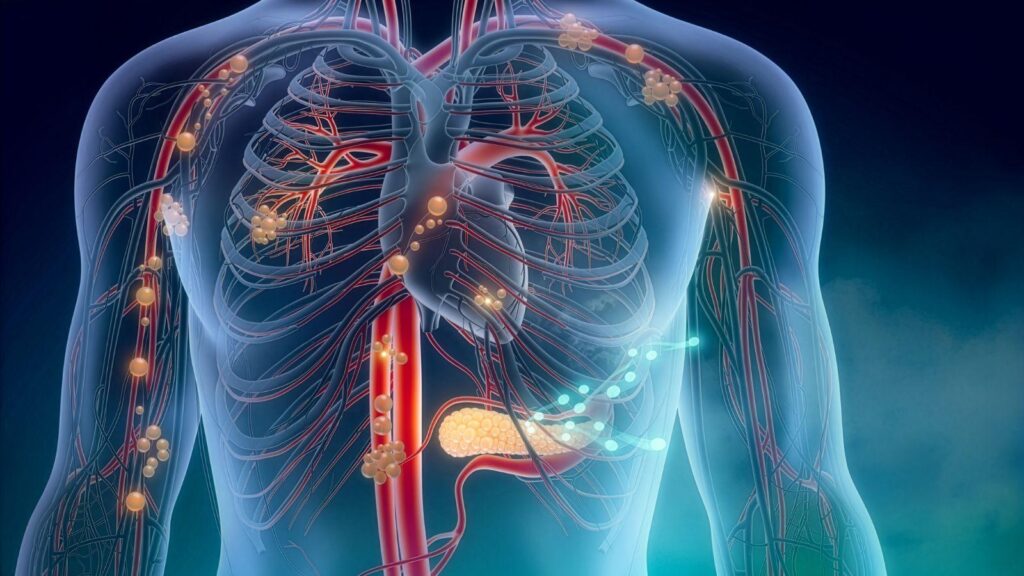
The circulatory system works continuously throughout our lives. The heart pumps blood through arteries that deliver oxygen-rich blood to tissues, while veins carry oxygen-depleted blood back to the heart. This process occurs every second of every day without conscious effort.
The veins in the legs face a particularly demanding task because they must move blood upward against gravity. Tiny one-way valves inside the veins prevent blood from flowing backward, while contractions of the calf muscles act as a natural pump that assists circulation during walking and movement.
When this system functions efficiently, people rarely think about it. However, when circulation slows or vein valves weaken, blood may begin pooling in the lower extremities, leading to symptoms that gradually become more noticeable over time.
The Hidden Effects of Prolonged Sitting
Modern lifestyles encourage long periods of sitting. Many people spend hours working at a desk, commuting in a car, or relaxing in front of a television after work.
While sitting itself is not harmful, remaining seated for extended periods without movement reduces activity in the calf muscles, limiting their ability to help pump blood back toward the heart.
As circulation slows, fluid may accumulate around the ankles and lower legs, producing swelling or feelings of heaviness. Over months and years, prolonged inactivity may contribute to chronic venous insufficiency and the development of varicose veins, particularly in individuals with additional risk factors.
Taking short walking breaks throughout the day can significantly improve circulation and reduce these effects.
Standing Still Can Be Just as Challenging
Many occupations require employees to stand for long hours. Teachers, nurses, hairstylists, retail associates, pharmacists, and factory workers often spend entire shifts on their feet.
Although standing burns slightly more calories than sitting, remaining in one position for prolonged periods also places stress on the circulatory system.
Without regular movement, blood tends to collect in the lower legs, increasing pressure within the veins. Over time, this pressure may contribute to swelling, aching, fatigue, and visible varicose veins.
Alternating between standing and walking whenever possible helps activate the calf muscles and encourages healthier blood flow.
Physical Activity Is One of the Best Medicines
Regular exercise remains one of the most effective ways to support healthy circulation.
Walking, swimming, cycling, dancing, yoga, and strength training all improve cardiovascular function while activating muscles that assist venous blood flow.
Walking deserves particular attention because every step naturally compresses the calf muscles, helping propel blood upward through the veins.
The goal does not have to be intense athletic performance. Even moderate activity performed consistently provides meaningful benefits for vascular health, joint mobility, and overall well-being.
Nutrition and Vascular Health
The foods we eat influence more than body weight.
A balanced diet rich in colorful vegetables, fruits, whole grains, legumes, lean protein, healthy fats, and adequate hydration supports healthy blood vessels while reducing inflammation throughout the body.
Excess sodium may contribute to fluid retention, increasing swelling in susceptible individuals. Highly processed foods rich in saturated fats and added sugars may negatively affect cardiovascular health over time.
Choosing nutrient-dense foods supports healthy circulation while also benefiting heart health, energy levels, and metabolic function.
Sleep’s Role in Recovery
Sleep provides the body with an opportunity to repair tissues, regulate hormones, and restore normal physiological function.
Poor sleep has been associated with inflammation, elevated stress hormones, impaired metabolism, and reduced physical activity the following day.
Individuals experiencing chronic fatigue often move less, which may further reduce circulation.
Prioritizing consistent, high-quality sleep complements other healthy habits while supporting long-term vascular wellness.
Stress Can Influence Circulation
Many people underestimate the physical effects of chronic stress.
When stress becomes persistent, the body releases hormones that temporarily increase heart rate and blood pressure. Although this response is useful during emergencies, prolonged activation may contribute to broader cardiovascular challenges.
Stress also influences behavior. Individuals experiencing ongoing stress may exercise less, choose less nutritious foods, sleep poorly, or remain sedentary for longer periods.
Managing stress through mindfulness, hobbies, physical activity, social support, or relaxation techniques benefits both mental and physical health.
Understanding Varicose Veins
Varicose veins develop when vein valves become weakened or damaged, allowing blood to pool inside the veins rather than flowing efficiently toward the heart.
While many people initially notice enlarged or twisted veins beneath the skin, symptoms often extend beyond appearance. Aching, heaviness, swelling, itching, muscle cramps, and fatigue frequently accompany chronic venous disease.
Risk factors include genetics, aging, pregnancy, obesity, occupations involving prolonged sitting or standing, and reduced physical activity.
Recognizing these risk factors encourages earlier intervention before symptoms progress.
When Lifestyle Changes Are Not Enough
Healthy habits significantly improve circulation and support vein health, but they cannot reverse every underlying condition.
Individuals experiencing persistent swelling, aching, skin discoloration, visible varicose veins, or discomfort that interferes with daily activities should consider medical evaluation.
Modern vascular medicine offers effective diagnostic tools that identify circulation problems before complications develop. Duplex ultrasound allows specialists to evaluate blood flow and determine whether symptoms result from chronic venous insufficiency or another vascular condition.
Seeking care early often leads to simpler treatment and better long-term outcomes.
Small Daily Habits Create Lasting Results
The greatest advantage of preventive health is that meaningful improvements often begin with relatively small changes.
Walking during lunch breaks, stretching every hour, taking stairs instead of elevators, staying hydrated, eating balanced meals, maintaining a healthy weight, and prioritizing sleep all contribute to healthier circulation.
No single habit determines vascular health on its own. Instead, long-term wellness reflects the cumulative effect of thousands of everyday decisions.
By making movement and healthy living part of daily routines, individuals invest in both present comfort and future health.
Conclusion
Circulation quietly supports every function of the human body, yet it rarely receives attention until symptoms appear. Everyday habits—including prolonged sitting, standing, limited movement, poor nutrition, inadequate sleep, and unmanaged stress—can gradually influence vascular health in ways that affect comfort, mobility, and overall quality of life.
Fortunately, healthy circulation is something that many people can actively support through consistent lifestyle choices. Regular physical activity, balanced nutrition, good sleep, effective stress management, and early medical evaluation when symptoms persist all contribute to stronger vascular health and better long-term outcomes.
The body responds remarkably well to positive daily habits. By making circulation a priority rather than an afterthought, individuals can protect their mobility, maintain their independence, and enjoy a healthier, more active future.