
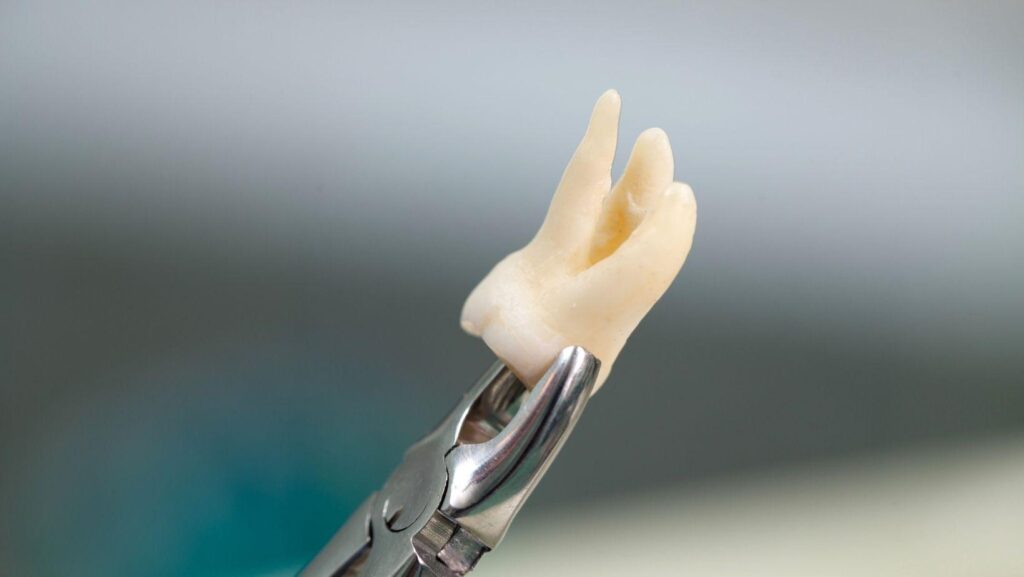
Wisdom teeth, or third molars, often emerge in late adolescence or early adulthood. You may need removal if they cause pain, repeated infection, cysts, damage to nearby teeth, crowding, or other problems that make cleaning difficult.
You may not need extraction if your wisdom teeth grow properly, remain healthy, and you can keep them clean. A dental exam and X-rays can show whether they are impacted, misaligned, or likely to create future complications. The team at Beacon Dental can evaluate your wisdom teeth during a routine exam to determine whether removal is necessary.
Watch for pain, swollen or bleeding gums, jaw stiffness, bad breath, or recurring infections near the back of your mouth. These warning signs can help you make a well-informed decision with your dentist or oral surgeon.
Understanding Third Molars
Third molars are the four teeth at the back of your mouth, one in each corner. Their late eruption and limited space can leave them fully functional, partially trapped, or angled against neighboring teeth.
When Wisdom Teeth Typically Erupt
Your wisdom teeth usually begin emerging between ages 17 and 25, although timing varies. Some people develop fewer than four third molars, and others never develop them at all.
A dental X-ray can show whether they exist and how they are positioned before they erupt. If a wisdom tooth grows fully into place, aligns with the opposing tooth, and remains easy to brush and floss, you may be able to keep it.
Your dentist should still monitor it during routine examinations because decay, gum disease, or changes in position can develop later. Partially erupted teeth create a gum-covered area where food and bacteria can collect.
This can cause inflammation, infection, bad breath, or difficulty opening your mouth. Regular dental examinations matter even when you feel no symptoms.
Common Positions and Impaction Types
A wisdom tooth becomes impacted when your jaw does not provide enough room for it to emerge normally. Dentists classify impaction by the tooth’s angle and how much of it has erupted.
- Vertical impaction: The tooth points upward but remains trapped beneath the gum or bone.
- Mesial impaction: The crown tilts toward the tooth in front, making this a common source of pressure and decay.
- Distal impaction: The crown angles toward the back of your mouth.
- Horizontal impaction: The tooth lies nearly sideways and may press against the neighboring molar.
- Partial eruption: Part of the crown appears through the gum, while the rest remains covered.
An impacted tooth can damage the adjacent molar, form a cyst, or repeatedly inflame the surrounding gum tissue. Your dentist uses an examination and dental imaging to assess its position, available space, roots, and effect on nearby structures.
Reasons Extraction May Be Recommended
Extraction may be recommended when a wisdom tooth causes pain, infection, decay, gum disease, or damage to nearby teeth. Dentists may also consider removal when an impacted tooth creates a cyst or another condition that threatens the surrounding bone and tissues.
Pain, Infection, and Gum Disease
A wisdom tooth can become painful when it lacks room to emerge fully or grows at an angle. Food and bacteria may collect beneath the gum flap covering a partially erupted tooth, causing pericoronitis.
Symptoms can include swelling, tenderness, bad breath, a foul taste, and difficulty opening your mouth. Repeated infections may require extraction, particularly when cleaning the area remains difficult.
An impacted tooth can also contribute to tooth decay or gum disease affecting the wisdom tooth and the adjacent second molar. Your dentist may first treat an active infection, then recommend removal if the tooth’s position makes future infections likely.
Crowding and Damage to Nearby Teeth
A wisdom tooth may press against the molar in front of it or trap food between the two teeth. This can contribute to decay, enamel damage, gum-pocket formation, or bone loss around the neighboring molar.
A tooth that erupts at an unusual angle can create problems even if it causes little pain at first. Dentists evaluate these risks with an examination and dental X-rays.
Crowding alone does not automatically require extraction, and removing a wisdom tooth does not reliably straighten existing teeth. Removal becomes more likely when the tooth has already damaged a neighboring tooth or cannot erupt into a cleanable, functional position.
Cysts and Other Jaw Complications
An impacted wisdom tooth can occasionally develop a fluid-filled cyst around its crown. Although many cysts grow slowly without obvious symptoms, they can damage the jawbone, displace nearby teeth, or affect surrounding nerves if they become large.
Rarely, other abnormal growths may occur in the tissue surrounding an impacted tooth. Your dentist may identify these changes on panoramic or three-dimensional imaging.
Treatment depends on the finding’s size, location, and effect on nearby structures; it may involve removing the wisdom tooth, treating the cyst, or both. Seek dental care promptly if you develop persistent swelling, numbness, drainage, or difficulty opening your mouth.
Signs You Should See a Dentist
Pain, swelling, repeated infections, and difficulty opening your mouth can signal problems with a wisdom tooth. Dental X-rays can also show impaction, decay, cysts, damage to nearby teeth, or limited space before symptoms become severe.
Symptoms That Need Prompt Evaluation
See a dentist if you have persistent pain behind a molar, swollen or bleeding gums, facial swelling, jaw stiffness, or difficulty opening your mouth. Bad breath, a bad taste, pus, or fever may indicate an infection around a partially erupted tooth.
You should also arrange an examination if food repeatedly becomes trapped behind your last molar, the tooth breaks or develops decay, or nearby teeth become painful or crowded. These problems can worsen when a wisdom tooth remains partly covered by gum tissue.
Seek urgent dental care for rapidly increasing facial or neck swelling, trouble swallowing or breathing, fever with worsening pain, or difficulty opening your mouth. Do not rely on pain medication to manage these symptoms without evaluation.
What Dental X-Rays Can Reveal
Your dentist may use panoramic or targeted dental X-rays to determine whether a wisdom tooth has enough room to erupt normally. Imaging can show teeth trapped in the gum or jawbone, tilted toward neighboring teeth, or positioned horizontally.
X-rays can also reveal decay that is difficult to see, bone loss from gum disease, damage to an adjacent molar, and cysts or other abnormal changes around the tooth. Your dentist will consider these findings along with your symptoms, oral hygiene, age, and ability to clean the area.
An impacted tooth does not automatically require removal. If it remains healthy, causes no disease, and your dentist can monitor it safely, regular examinations may be appropriate.
The Extraction Decision and Next Steps
You may be able to monitor symptom-free wisdom teeth when they have enough space, remain fully erupted, and stay clean. A dental examination and X-rays can identify problems that symptoms alone may not reveal and help determine whether removal or observation makes sense.
When Monitoring Is Appropriate
Monitoring may suit you when your wisdom teeth are healthy, functional, and positioned so you can brush and floss around them. Your dentist may recommend periodic examinations and updated X-rays rather than immediate extraction.
During monitoring, watch for:
- Pain, swelling, or tenderness near the back molars
- Red, swollen, or bleeding gum tissue
- Bad taste, persistent odor, or drainage
- Difficulty opening your mouth or swallowing
- Damage or decay affecting the wisdom tooth or neighboring molar
Contact your dentist promptly if these symptoms develop. Regular checkups allow your dentist to assess decay, gum disease, cysts, damage to nearby teeth, and changes in the tooth’s position.
Preparing for a Consultation
Before your appointment, list any pain, swelling, infections, or changes in chewing. Record when symptoms began, how often they occur, and whether you take medications or have allergies.
Your dentist or oral surgeon will examine your teeth. They may order panoramic or other dental X-rays.
Ask:
- Is removal necessary now, or can monitoring work?
- What problems could develop if the tooth remains?
- Which anesthesia or sedation options are appropriate?
- How might removal affect nearby nerves, sinuses, or teeth?
- What will recovery, work restrictions, and follow-up involve?
- Which costs does your insurance cover?
Tell the clinician about pregnancy, medical conditions, and previous anesthesia reactions. Mention tobacco or vaping use, and all prescription or nonprescription medicines.
Do not stop prescribed medication unless your healthcare professional instructs you to.