
Ill-fitting dentures affect more than comfort. When your dentures slip or create uneven pressure, you may struggle to chew and speak while placing extra strain on your gums, jaw muscles, and joints.
Poorly fitting dentures can contribute to sore tissues, jaw discomfort, bone loss, and gradual changes in facial support. Regular checkups for dentures in Wilmington, NC can help catch these fit issues early, since your jawbone changes over time and dentures may loosen further, making everyday activities more difficult and affecting how your face looks and functions.
Learn how denture fit influences oral function, jawbone and facial structure, and the warning signs that indicate you need an adjustment. You’ll also discover practical treatment and prevention options that can protect your comfort and oral health.
How Denture Fit Affects Oral Function
A well-fitting denture distributes chewing forces evenly, supports clear speech, and stays stable during normal jaw movement. When the fit changes, pressure can concentrate on small areas, the bite can shift, and chewing can become slower or less effective.
Pressure Points And Tissue Irritation
A loose or poorly contoured denture can rub against your gums, cheeks, or the roof of your mouth. Repeated friction may produce red or tender areas, blisters, ulcers, swelling, or bleeding.
Food can also become trapped beneath the denture, increasing irritation and making cleaning more difficult. Pressure becomes more concerning when you continue wearing the denture despite pain.
Damaged tissue needs time to recover, and persistent sores require assessment by a dentist, particularly if they last longer than two weeks. Do not try to reshape the denture yourself; a dentist can adjust its base or identify whether changes in your gums or jaw have caused the problem.
Changes In Bite Alignment
Your denture should meet its opposing teeth evenly when you close your mouth. If it shifts, wears unevenly, or no longer matches changes in your gums and jawbone, your teeth may contact too early on one side.
You may notice clicking, jaw fatigue, facial muscle soreness, or difficulty closing your mouth comfortably. An altered bite can also increase movement during speaking and eating.
You might compensate by tightening your jaw or avoiding certain foods, which can worsen muscle discomfort. A dental professional can check the bite, examine the supporting tissues, and determine whether adjustment, relining, or replacement is appropriate.
Reduced Chewing Efficiency
A stable denture helps you break food into smaller pieces before swallowing. If yours rocks, lifts, or slips during chewing, you may need to take smaller bites and chew for longer.
Hard, fibrous, or sticky foods often become difficult, and you may avoid nutritious choices such as raw vegetables, lean meats, or certain fruits. Using excessive adhesive may mask movement without correcting the underlying fit.
A dentist should assess persistent looseness, especially when it affects eating, speech, or your ability to wear the denture comfortably.
Jawbone And Facial Structure Changes
Missing tooth roots, gradual bone loss, and uneven denture pressure can alter your jaw’s shape. These changes may reduce support for your lips and cheeks, affect how your dentures function, and place additional strain on your jaw joints.
Bone Resorption From Missing Tooth Roots
After tooth removal, the jawbone no longer receives normal stimulation from tooth roots during chewing. Your body gradually resorbs, or breaks down, the bone in that area.
This process can continue for years, although its rate varies among individuals. A denture can restore chewing surfaces but cannot reproduce the stimulation provided by natural roots.
As the ridge becomes narrower and shorter, your denture may lose stability and require more frequent adjustments or relining. A loose denture can then move across the gums, creating concentrated pressure that causes soreness and may contribute to further tissue irritation.
Your dentist can assess changes in the ridge during routine examinations. Implant-supported dentures may help preserve function and improve stability when you meet the necessary health and bone-volume requirements.
Loss Of Lower-Face Support
The jawbone supports the teeth, gums, lips, and lower facial tissues. As the tooth-bearing ridge shrinks, your lower face may gradually lose some of its structural support.
You might notice increased wrinkles around the mouth, less lip fullness, or a more closed appearance between your nose and chin. Poorly fitting dentures can make these changes more noticeable.
If the denture base lacks adequate height or shifts during use, your bite may close farther than intended. This can reduce the visible height of the lower face and affect speech, chewing, and comfort.
A dental professional can evaluate whether relining, replacing, or redesigning your dentures would improve support. Do not try to correct the fit with household adhesives or by altering the denture yourself.
Effects On Temporomandibular Joint Function
Your temporomandibular joints connect the lower jaw to the skull and coordinate chewing and speaking. Dentures that slip, feel too low, or create an uneven bite can change how your jaw muscles work.
You may respond by tightening your muscles or shifting your jaw to keep the denture stable. These adaptations can contribute to muscle fatigue, tenderness near the ears, headaches, clicking, or difficulty opening your mouth.
They do not prove that the denture caused a joint disorder, because arthritis, clenching, trauma, and other conditions can produce similar symptoms. Ask your dentist to check your denture fit and bite if you develop persistent pain, repeated clicking with discomfort, locking, or restricted movement.
Seek prompt assessment if your jaw becomes suddenly difficult to open or close.
Recognizing Problems With Denture Fit
A poor fit often shows through ongoing soreness, movement during daily activities, or changes in speech. Headaches and tired facial muscles can also indicate that your dentures interfere with a balanced bite or force you to hold your jaw unnaturally.
Persistent Soreness Or Loose Dentures
Soreness that lasts beyond the initial adjustment period deserves attention, especially if you notice red patches, swelling, blisters, or open sores. Dentures that rub the same area repeatedly can injure the gums and make eating uncomfortable.
Remove them as directed by your dental professional and inspect your mouth for irritated areas. Loose dentures may shift when you chew, yawn, or laugh.
You might rely on increasing amounts of adhesive, avoid certain foods, or remove the dentures during meals. These changes can result from worn materials, changes in your gums and jawbone, or a denture that never fit correctly.
Do not try to reshape the denture yourself. A dentist can check your tissues, bite, and denture base, then recommend an adjustment, relining, repair, or replacement.
Clicking, Slipping, Or Speech Changes
A clicking sound while you speak or chew often occurs when the upper and lower dentures contact incorrectly or move against each other. Slipping can make it difficult to pronounce sounds clearly, particularly when you talk quickly, open your mouth widely, or eat.
Pay attention to new changes such as increased mumbling, difficulty forming “s,” “f,” or “th” sounds, or a denture that lifts when you talk. These problems may reflect an unstable base, an altered bite, insufficient support, or changes in the tissues beneath the denture.
You should arrange a dental assessment if these symptoms persist. Avoid using excessive adhesive to compensate for movement, because it may conceal a fit problem and make cleaning more difficult.
Headaches And Facial Muscle Fatigue
An unstable denture can make you tighten your jaw or repeatedly reposition it to keep the prosthesis in place. You may develop fatigue around your cheeks, temples, or jaw joints, particularly after eating or speaking for long periods.
Some people notice morning jaw soreness or headaches near the temples. These symptoms can also have causes unrelated to dentures, including teeth grinding, joint disorders, dehydration, or medication effects.
A dental professional can assess your bite, denture stability, jaw movement, and oral tissues to identify the likely source. Seek prompt care if headaches occur with severe jaw pain, facial swelling, difficulty opening your mouth, or sudden neurological symptoms.
Persistent discomfort should not be treated by filing or bending the denture at home.
Treatment And Prevention Options
A dentist can often reduce soreness and limit further changes to your jaw by correcting the denture’s fit early. Depending on the condition of your dentures, treatment may involve adjustment, relining, replacement, or implant-supported stabilization.
Professional Denture Adjustments And Relines
A dentist can adjust pressure points that cause gum soreness, clicking, slipping, or difficulty chewing. Small adjustments may improve comfort, but you should not grind or reshape the denture yourself because this can permanently damage its fit.
A reline adds new material to the tissue-facing surface so the denture matches changes in your gums and jaw. Soft relines may help if your tissues remain tender, while hard relines generally provide longer-term support when the denture base remains structurally sound.
Schedule an examination if you develop persistent sores, facial pain, numbness, or difficulty eating. Your dentist should also check your oral tissues, bite, jaw joints, and remaining teeth.
Remove your dentures at night unless your dental professional gives different instructions. Maintain regular reviews because jawbone changes can continue after a reline.
When Replacement Dentures Are Needed
Relining cannot correct every problem. You may need replacement dentures when the teeth show substantial wear, the acrylic has fractured, the base no longer supports your facial tissues, or repeated adjustments fail to restore stability.
Severe jawbone resorption can also leave too little ridge shape for an older denture to grip securely. New dentures allow the dentist to reassess your bite, tooth position, lip support, and facial proportions.
Bring your current dentures to the appointment so the dentist can identify what worked and what caused problems. After delivery, attend follow-up appointments promptly; minor pressure areas often need adjustment during the first few weeks.
Use denture adhesive only as a temporary aid when your dentist recommends it. Adhesive cannot correct a poorly fitting denture or prevent ongoing jawbone changes.
Implant-Supported Stabilization
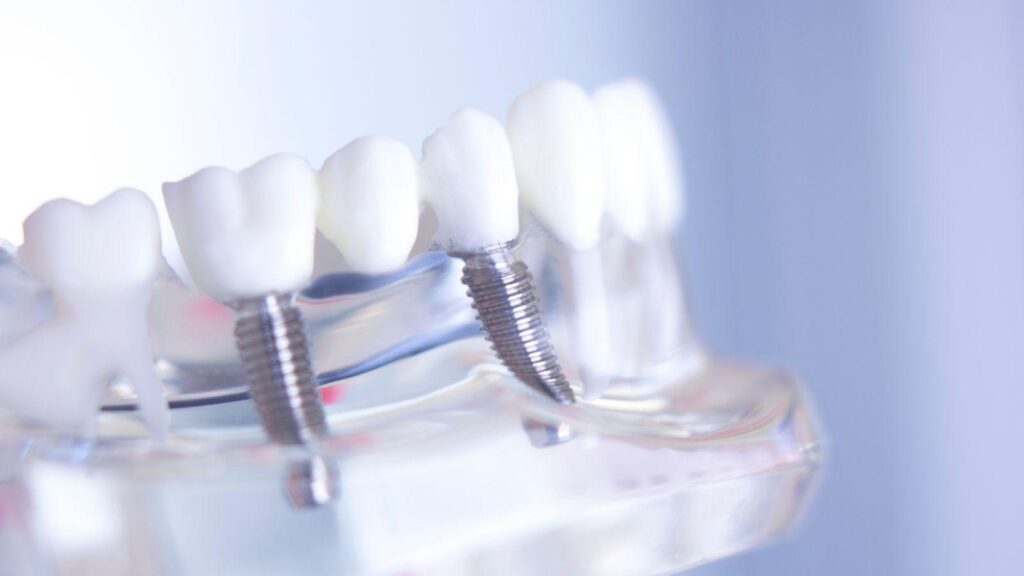
Implant-supported dentures use dental implants placed in the jaw to secure a removable denture. Attachments, such as locator systems or a bar, reduce movement during speaking and chewing.
These attachments may improve comfort when conventional dentures repeatedly loosen. You need an assessment of bone volume, gum health, medical conditions, medications, smoking status, and cleaning ability before treatment.
Some patients require bone grafting. Others may qualify for implants without additional procedures.
Your dentist or oral surgeon will explain the number and position of implants. They will also discuss healing time, costs, and maintenance requirements.
You must clean around the attachments and attend maintenance visits. Inflammation around implants can threaten their support.