
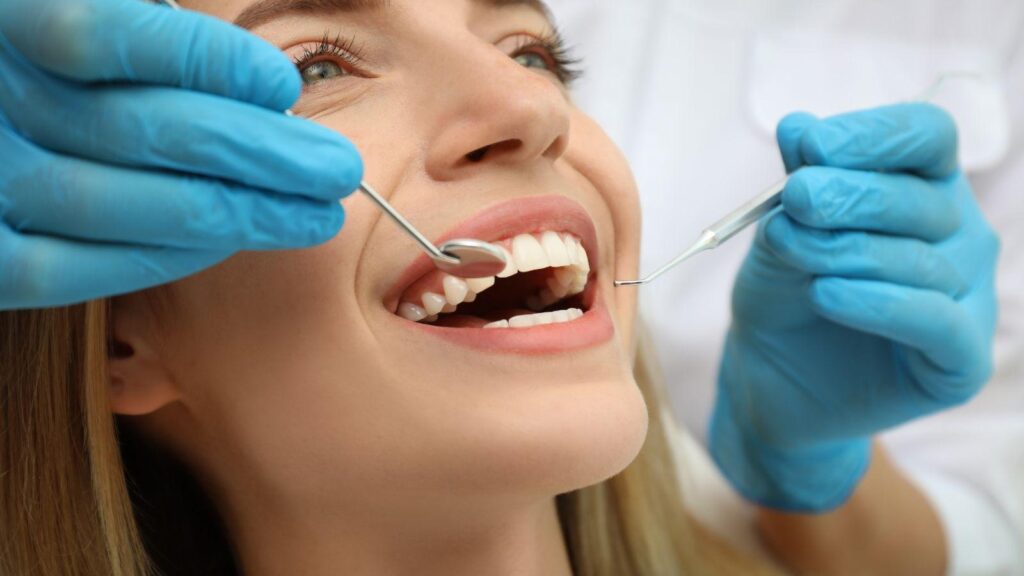
Dental anxiety can make routine care feel difficult. You can take practical steps to feel more in control.
Clear communication, thoughtful preparation, and suitable comfort options can help you manage anxiety before and during dental treatment. The team at White Sage Dentistry offers a calm, comfortable setting designed to help anxious patients feel more at ease from the moment they arrive.
Your age or past experiences do not determine how future visits will feel. You can tell your dental team what worries you and agree on signals to pause.
Use strategies that support calmer appointments. The right approach can help you build more positive dental experiences over time.
Understanding Dental Anxiety
Dental anxiety can range from mild nervousness to an intense fear that leads you to avoid appointments. Recognising your triggers and physical responses can help you explain your needs and plan coping strategies.
Seek suitable support if you need it.
Common Triggers And Symptoms
Common triggers include fear of pain, injections, drilling, gagging, loss of control, or previous unpleasant treatment. You may also feel anxious about being judged for your teeth, costs, unfamiliar equipment, strong smells, or not knowing what will happen next.
Anxiety can cause racing thoughts, muscle tension, sweating, shaking, nausea, dizziness, or a rapid heartbeat. You might struggle to sleep before an appointment or feel panic when you enter the practice.
Children may cry, become unusually quiet, resist opening their mouths, or complain of stomach discomfort. Tell the dental team what causes your anxiety and how it affects you.
Agreeing on a stop signal, asking for each step to be explained, and scheduling a short introductory visit can give you more control. If anxiety feels severe, ask whether a dentist experienced in treating nervous patients, psychological support such as CBT, or sedation assessment could help.
How Anxiety Affects Oral Health
Anxiety can affect oral health when it leads you to postpone check-ups or avoid treatment. Small cavities, gum inflammation, or damaged teeth may then remain untreated and require more complex care.
Avoidance can also increase worry because you may expect treatment to become more difficult. Stress may make daily brushing and flossing harder, especially when low mood or fatigue accompanies anxiety.
Some people also grind or clench their teeth, which can cause jaw soreness, headaches, worn enamel, or sensitivity. Smoking, frequent snacking, or choosing sugary drinks to cope with stress can increase the risk of decay and gum disease.
Maintain a simple routine: brush twice daily with fluoride toothpaste and clean between your teeth. Arrange appointments at a manageable pace.
Contact a dentist if you have persistent toothache, swelling, bleeding gums, sensitivity, or a broken tooth, even if you feel nervous.
Preparing For A More Comfortable Visit
A supportive dental team, clear communication, and practical coping tools can make treatment feel more predictable. Plan these steps before your appointment so you can retain control and address concerns early.
Choosing A Supportive Dental Team
Look for a practice that regularly treats nervous patients. Read patient reviews, check whether the practice discusses anxiety support, or ask your primary care provider for recommendations.
You can also visit the office before booking to meet the receptionist and become familiar with the surroundings. When you call, state clearly that you feel anxious about dental care.
Ask whether the dentist can:
- Explain each procedure before starting
- Pause when you raise your hand
- Use numbing gel before injections
- Schedule extra time for your appointment
- Discuss sedation options when appropriate
A calm, respectful team should answer your questions without judgment. If staff dismiss your concerns or pressure you to proceed, consider contacting another practice.
Sharing Concerns Before The Appointment
Tell the dental team about previous difficult experiences, specific triggers, and any medical conditions or medications. Mention fears such as needles, pain, gagging, loss of control, sounds, or unexpected movement.
This information helps the dentist adapt the appointment to your needs. Agree on a simple stop signal, such as raising your left hand.
Confirm that the dentist will pause treatment when you use it. Ask what sensations you might notice, how long the procedure may take, and what pain-control methods they will use.
Book a shorter consultation or examination first if a full procedure feels overwhelming. Arrive early enough to complete paperwork without rushing.
Bring written questions so anxiety does not make you forget them.
Using Relaxation And Distraction Techniques
Practice your coping method before the appointment rather than trying it for the first time in the dental chair. Slow breathing can reduce physical tension: inhale gently through your nose for four counts, then exhale for six.
Repeat this pattern while waiting and during pauses in treatment. Ask whether you may use headphones with music, an audiobook, or calming sounds.
Sunglasses can reduce the impact of bright examination lights, and a stress ball may give your hands something to do. Keep your shoulders relaxed and focus on lengthening each exhalation.
Avoid relying on alcohol or unapproved sedatives to manage fear. If anxiety feels severe, ask the dentist or a healthcare professional about evidence-based options, including cognitive behavioral therapy or clinically supervised sedation.
Comfort Options During Treatment
You can reduce discomfort by combining effective pain control, an appropriate sedation method, and clear communication with your dental team. Discuss your health history, medications, previous experiences, and concerns before treatment so your dentist can choose safe, suitable options.
Local Anesthesia And Pain Control
Local anesthetic numbs the treatment area so you should not feel sharp pain, although you may notice pressure, movement, or vibration. Your dentist can apply topical gel before the injection and allow time for the anesthetic to take effect.
Tell the dentist if you still feel pain; they can provide additional anesthetic rather than expecting you to tolerate it. Ask your dentist to explain which sensations are normal and which should prompt more numbing.
After treatment, avoid chewing or drinking hot liquids until feeling returns to reduce the risk of biting your cheek or burning your mouth.
Sedation Dentistry Options
Sedation can reduce fear and help you remain relaxed, but it does not always replace local anesthesia. Nitrous oxide, inhaled through a small mask, usually takes effect quickly and wears off soon after the appointment.
Oral sedatives can cause stronger drowsiness and require an escort; you must follow instructions about eating, driving, and medication use. Intravenous sedation produces a deeper level of relaxation and requires monitoring by trained professionals.
General anesthesia, which causes unconsciousness, is reserved for selected situations and requires specialized facilities. Tell your dentist about pregnancy, breathing problems, sleep apnea, allergies, alcohol use, and every medication or supplement you take.
Never arrange sedation without confirming who will monitor you and how you will get home.
Communication Signals And Breaks
Agree on a simple signal before treatment, such as raising your left hand to request a pause. The signal should mean “stop,” not “answer a question,” and your dental team should honor it promptly.
You can also ask for an explanation before each step, headphones to reduce noise, or a mirror-free setup if visual details increase anxiety. Schedule a shorter appointment when possible, especially if you have avoided dental care for a long time.
Ask for planned breaks during lengthy procedures and decide how the dentist will check your comfort while your mouth remains open. If you feel panic, dizziness, chest discomfort, or difficulty breathing, signal immediately and describe the symptoms clearly.
Building Positive Dental Experiences At Every Age
You can reduce dental anxiety by building trust, giving yourself control, and choosing coping strategies that match your age and needs. Calm preparation, honest communication, and regular visits help replace uncertainty with familiar routines.
Helping Children Feel Secure
Use simple, honest language before your child’s appointment. Explain that the dentist will count and clean their teeth, but avoid promising that nothing will hurt.
Let your child ask questions and share concerns without criticism. Choose a pediatric dentist or a practice experienced with children.
During the visit, ask the dental team to explain each step, use a stop signal, and offer brief breaks when needed. A familiar toy, comfort item, or quiet distraction can help your child stay settled.
Schedule appointments when your child feels rested, and arrive early enough to avoid rushing. Praise specific behaviors—such as sitting still, opening their mouth, or asking for a break—rather than offering rewards only for being fearless.
Avoid sharing frightening dental stories, and do not use dental treatment as a threat.
Supporting Teens And Adults
Tell the dental team about your anxiety before treatment begins. Describe specific triggers, such as needles, drilling sounds, gagging, pain, loss of control, or difficult past experiences.
Agree on a hand signal that lets you pause, and ask the dentist to explain what you will feel and hear. You can use slow breathing, music, guided imagery, or another distraction method during treatment.
Ask whether the appointment can be divided into shorter visits if long procedures increase your distress. Cognitive behavioral therapy can help when fear causes repeated avoidance.
Medication-based sedation may suit some patients after a dental professional reviews your health history and medications.
Creating A Consistent Preventive Care Routine
Regular checkups and cleanings can help you become familiar with the dental setting. They also allow problems to receive attention before they require more complex treatment.
Ask your dentist how often you need examinations and cleanings based on your oral health, medical history, and risk factors.
Book your next appointment before leaving. Choose a time when you typically feel calm and alert.
Keep a written list of questions, symptoms, and medications so you can discuss them efficiently.
If you miss an appointment, reschedule without self-criticism.
Brush twice daily with fluoride toothpaste. Clean between your teeth each day.
Report tooth pain, swelling, bleeding, or sensitivity instead of waiting for your next routine visit.