
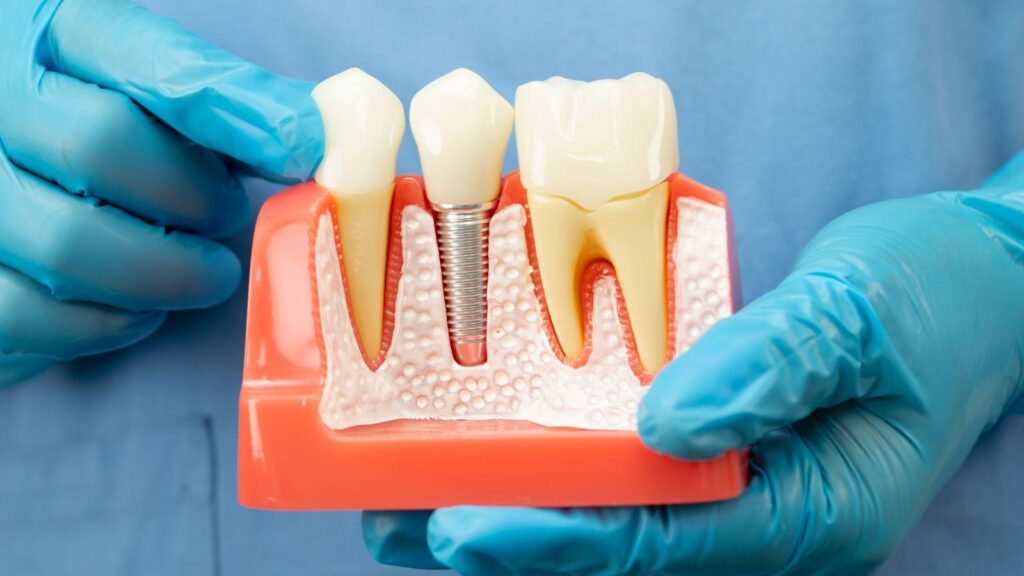
Dental implants can provide reliable tooth replacement for many years, but their lifespan depends on your oral hygiene, health, lifestyle, and professional care. With proper maintenance, the implant itself can last 20 years or longer, while the crown may need replacement sooner. If you’re considering dental implants in Woodbury, MN, understanding this long-term outlook can help set realistic expectations before treatment begins.
Daily brushing and flossing help protect the tissues around your implant. Regular dental visits allow your provider to monitor bone health, gum condition, and the fit of your restoration.
You’ll also learn which habits can protect your investment and reduce the risk of complications over time.
Expected Implant Longevity
A well-planned dental implant can remain functional for decades. No treatment lasts indefinitely for every patient.
The fixture, abutment, crown, and supporting tissues age differently. Maintenance and regular examinations matter throughout the restoration’s life.
Implant Fixture Survival Rates
The implant fixture is the titanium or ceramic component placed in your jawbone. After healing, the bone bonds to the fixture through a process called osseointegration.
Modern implants often show long-term survival rates above 90% over 10 years. Results vary by study, location, and patient health.
A successful fixture may function for 20 years or longer and can potentially last a lifetime. Survival does not mean that complications cannot occur.
Peri-implant infection, bone loss, poor healing, excessive biting forces, smoking, and uncontrolled diabetes can increase the risk of failure. Attend scheduled examinations so your dentist can monitor bone levels, gum health, bite forces, and the stability of the implant.
Early treatment of inflammation gives you a better chance of preserving the fixture.
Crown, Abutment, And Prosthetic Lifespans
The crown usually requires replacement before the implant fixture. Many crowns last 10 to 15 years, although careful use and good materials can extend that period.
Wear, chipping, loosened screws, bite pressure, grinding, and changes in the surrounding teeth can shorten its service life. The abutment often lasts as long as the fixture, but your dentist may replace it if it becomes damaged, loosens, or no longer supports a well-fitting crown.
Full-arch bridges and implant-retained dentures also need periodic maintenance. Their acrylic teeth, clips, screws, and framework can wear or fracture even when the implants remain stable.
Avoid using your implant crown to open packages or chew very hard objects. If you grind your teeth, ask your dentist whether a custom night guard could reduce stress on the restoration.
Factors That Influence Durability
Your daily habits strongly affect implant longevity. Brush twice daily with a soft-bristled toothbrush, clean between implants with floss designed for restorations or interdental brushes, and attend professional cleanings at the interval your dental team recommends.
Do not skip visits because an implant cannot develop a cavity; the surrounding gum and bone can still become infected.
Important risk factors include:
- Smoking or vaping, which can impair healing and increase inflammation
- Poorly controlled diabetes or other conditions that affect healing
- Inadequate plaque removal around the implant
- Untreated gum disease elsewhere in your mouth
- Teeth grinding, clenching, or an uneven bite
- Delayed treatment for bleeding, swelling, pain, looseness, or a bad taste
Your dentist may recommend periodic X-rays to detect bone changes before they affect implant stability. Consistent care protects both the fixture and the prosthetic components attached to it.
Essential Daily Care
Daily cleaning removes plaque around implant restorations and helps protect the gums and supporting bone. Use gentle tools, clean areas that trap food, and avoid products or techniques that could scratch restorations or irritate tissue.
Brushing Around Implant Restorations
Brush your teeth twice daily for two minutes with a soft-bristled manual toothbrush or an electric brush with a gentle setting. Aim the bristles toward the gumline and use small, controlled movements around crowns, implant-supported bridges, and dentures.
Clean every accessible surface, including the sides and chewing surfaces of natural teeth. Do not scrub forcefully.
Excessive pressure can irritate your gums and may contribute to gum recession around natural teeth. Replace a manual brush or brush head every three months, or sooner when the bristles become bent.
If your dental professional recommends a specific brushing technique or brush head, follow that guidance.
Cleaning Between Teeth And Under Bridges
Clean between your teeth at least once each day. Floss designed for implants, dental tape, interdental brushes, or a water flosser can help remove plaque from spaces that a toothbrush cannot reach.
Choose the tool based on the size of each space and your dentist’s instructions. For an implant-supported bridge, thread floss beneath the bridge and move it gently back and forth along the underside and around each implant post.
Do not force floss into tight contacts. An interdental brush can clean wider spaces, while a water flosser may help flush away loose food and plaque.
Use a moderate setting and direct the stream along the gumline rather than forcefully into tissue.
Choosing Safe Oral Care Products
Select products that clean effectively without damaging the restoration or surrounding gums. Use fluoride toothpaste unless your dental professional advises otherwise, and choose a low-abrasion formula if you have concerns about surface wear.
Avoid abrasive powders, harsh whitening products, and charcoal-based cleaners unless your dentist approves them. Use implant-safe floss, unwaxed tape, or interdental brushes that fit without bending or forcing.
Antimicrobial mouth rinses may support plaque control, but they should supplement—not replace—brushing and interdental cleaning. Avoid tobacco and follow your dentist’s advice about alcohol-containing rinses, especially if you experience dryness or irritation.
Professional Maintenance And Monitoring
Regular professional care helps your dentist detect inflammation, bone loss, loose components, and changes in your bite before they cause major damage. Your maintenance plan should combine scheduled examinations, professional cleaning, appropriate imaging, and prompt treatment of any symptoms.
Recommended Checkup Schedule
After your implant-supported crown, bridge, or denture is fitted, your dentist may schedule an early review to assess healing, comfort, hygiene, and how your bite distributes pressure. Once your tissues remain stable, many patients need examinations and cleanings every 3 to 6 months, depending on gum health, smoking, diabetes, oral hygiene, implant position, and previous complications.
During these visits, your dental professional should inspect the gums and restoration, assess plaque and bleeding, check for mobility, and evaluate your bite. They may use dental radiographs when symptoms, clinical findings, or a planned review makes imaging appropriate.
Professional cleaning should use instruments and techniques suitable for implant surfaces and the materials in your restoration.
Early Signs Of Peri-Implant Disease
Peri-implant disease can develop in the tissues surrounding an implant. Contact your dentist if you notice bleeding during brushing or flossing, persistent redness or swelling, tenderness, pus, bad taste, or worsening breath odor around the implant.
Pain does not always appear in the early stages. Report a loose-feeling crown, bridge, or denture, changes in your bite, difficulty cleaning, or an implant that feels mobile.
Your dentist can measure changes in the surrounding tissues, compare findings with earlier records, and take radiographs when needed to assess supporting bone. Do not wait for your next routine appointment if symptoms persist or worsen.
Early treatment may involve improved cleaning, professional debridement, bite adjustment, management of gum inflammation, or treatment of contributing medical and lifestyle factors.
Repairing Or Replacing Worn Components
The implant fixture placed in your jaw can remain functional for many years, but the visible restoration and small connecting parts may wear, loosen, chip, or fracture sooner. Your dentist should examine the abutment screw, crown, bridge, denture attachments, occlusion, and surrounding tissues when you report movement, clicking, discomfort, or damage.
A loose screw may require tightening or replacement after your dentist confirms the cause and checks the components. A chipped crown or worn attachment may be repairable, while extensive damage, poor fit, recurrent loosening, or hygiene problems may require replacement.
Do not attempt to tighten or glue any component yourself. Your dentist may also adjust your bite or recommend a night guard if grinding places excessive force on the restoration.
Prompt repairs can protect the implant and reduce the risk of damage to neighboring teeth and supporting bone.
Lifestyle Habits That Protect Your Investment
Daily choices can reduce stress on your implant, protect the surrounding gums and bone, and lower the risk of inflammation. Managing grinding, avoiding tobacco, and supporting your oral and general health can help your implant remain functional for many years.
Managing Teeth Grinding
Teeth grinding and jaw clenching can place excessive pressure on an implant, crown, or connecting parts. Unlike natural teeth, implants do not have a periodontal ligament that helps absorb pressure, so repeated force may contribute to crown damage, screw loosening, or bone stress.
Tell your dentist if you wake with jaw soreness, headaches, tooth sensitivity, or worn teeth. Your dentist may recommend a custom night guard to reduce contact between your teeth while you sleep.
Do not use an over-the-counter guard without professional advice, because a poor fit can affect your bite. Reduce daytime clenching by keeping your teeth slightly apart when you are not eating.
Avoid chewing ice, hard candy, pens, or other rigid objects. Attend follow-up appointments so your dentist can check your bite and implant components.
Avoiding Tobacco Use
Smoking and other tobacco use can restrict blood flow, impair healing, and increase the risk of gum inflammation around an implant. Tobacco also makes it harder for your body to respond to bacterial buildup, which can contribute to peri-implant disease and bone loss.
If you smoke, ask your dentist or physician about a cessation plan before implant surgery and during maintenance. Quitting provides the strongest protection, but reducing use and receiving professional support can also help you move toward cessation.
Avoid using tobacco during healing unless your dental team gives different instructions. Keep every maintenance visit, because your dentist can examine the gum tissue, remove hardened deposits, and identify inflammation before it causes more serious damage.
Supporting Bone And Gum Health
Healthy gums and stable bone provide the foundation for an implant.
Brush twice daily with a soft-bristled toothbrush and fluoride toothpaste. Clean around and between your teeth every day using floss, interdental brushes, or another tool recommended for your implant design.
Choose a balanced diet that supplies adequate protein, calcium, and vitamin D through appropriate foods or supplements advised by your clinician.
Control medical conditions such as diabetes, which can affect healing and infection risk. Tell your dental team about changes in medication or health.
Schedule professional examinations and cleanings at the interval your dentist recommends.
Contact the practice promptly if you notice bleeding, swelling, persistent redness, bad taste, drainage, pain, or movement. Early assessment can limit further complications.