
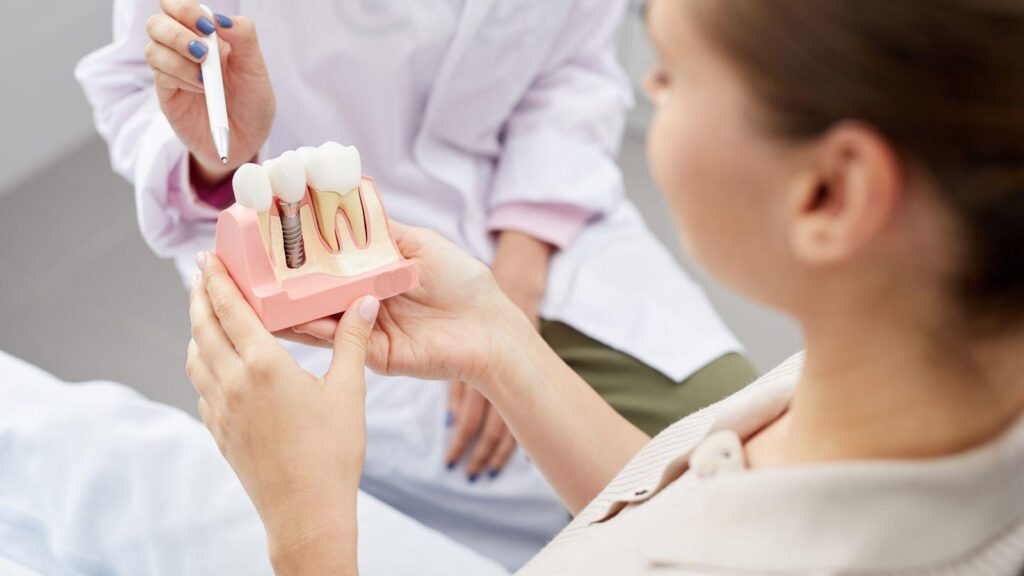
Same-day crowns can restore a damaged tooth in one appointment. With proper care, a same-day crown can often last 10 to 15 years, although your oral hygiene, bite, diet, and the crown’s material affect its lifespan. Patients who get same-day crowns in Anna, TX often ask how long the restoration will hold up before these factors are explained in detail.
Clinical evidence and routine dental follow-up can help you understand how your restoration compares with traditional crowns. You will also learn which habits protect your crown, what warning signs to watch for, and when replacement may become necessary.
Expected Lifespan And Clinical Evidence
A same-day crown commonly serves for about 10 to 15 years, although some last longer with favorable conditions. Its actual service life depends more on material, tooth location, bite forces, hygiene, and the quality of the preparation and bonding than on whether a laboratory or dental office made it.
Clinical research on dental crowns reports a wide range of survival times because studies use different materials, follow-up periods, and patient groups. Many crowns remain functional beyond 10 years, but dentists may replace them earlier because of fracture, recurrent decay, weakened supporting tooth structure, gum disease, poor fit, or cosmetic changes.
Your risk increases if you grind or clench your teeth, frequently chew ice or hard foods, or have a deep bite that concentrates force on the restoration. Smoking, inconsistent brushing and flossing, and missed dental examinations can also reduce its service life.
A crown does not protect against decay at the gumline or from leakage around an aging margin.
How CEREC And Other CAD/CAM Crowns Compare
CEREC and other CAD/CAM crowns use digital scanning and computer-assisted milling, often from ceramic or similar tooth-colored materials. Available clinical evidence indicates that appropriately selected CAD/CAM crowns can achieve survival rates comparable to traditionally fabricated crowns, particularly when the dentist provides adequate tooth reduction, contacts, occlusion, and bonding.
The fabrication method alone does not determine longevity. Material selection matters: glass ceramics can provide strong esthetics, while zirconia offers high fracture resistance in situations with heavy biting forces.
Your dentist should match the material to the tooth, available space, bite pattern, and cosmetic requirements. Same-day treatment may reduce temporary-crown complications, but it does not eliminate the need for careful follow-up and maintenance.
Factors That Influence Durability
A same-day crown’s lifespan depends on chewing forces, crown design, the health of the supporting tooth, and your daily habits. Proper fit and regular dental care help reduce avoidable damage and support long-term performance.
Tooth Location And Bite Forces
Crowns on back teeth usually face greater pressure because molars handle much of the force involved in chewing. If you clench or grind your teeth, the repeated stress can cause wear, cracks, or loosening, particularly when the crown contacts an opposing tooth unevenly.
Your dentist checks your bite after placing the crown and may adjust high spots that create excess pressure. If you grind at night, a custom night guard can help protect both the crown and nearby teeth.
Hard foods such as ice, unpopped popcorn kernels, and hard candy can also produce concentrated forces that damage ceramic restorations.
Crown Material And Design
Same-day crowns often use milled ceramic or other tooth-colored materials. Their strength depends on the specific material, its thickness, the shape of the restoration, and how accurately the digital design fits your tooth.
A crown with adequate bulk in high-stress areas generally tolerates chewing better than one made too thin. Your dentist selects the material and design based on the tooth’s location, appearance, remaining tooth structure, and bite.
Margins that fit closely help limit bacterial leakage and reduce irritation around the gumline. Material selection, preparation, milling, finishing, and bonding all matter.
Underlying Tooth Condition
The crown protects and restores the visible portion of your tooth, but it cannot compensate for weak support underneath. Extensive decay, a large filling, cracks, or limited remaining enamel can increase the risk of fracture or loss of the crown.
Your dentist must remove damaged tissue and create enough healthy structure for reliable retention. A tooth that has received root canal treatment may have less internal moisture and structural strength, especially when substantial tooth structure is missing.
Your dentist may recommend additional reinforcement, such as a core buildup, before placing the crown. Treating decay, gum disease, or an infection before restoration also improves the conditions supporting the crown.
Oral Hygiene And Habits
Brush twice daily with fluoride toothpaste and clean between your teeth every day, paying attention to the crown’s gumline. Plaque buildup can contribute to decay at the crown margin and gum inflammation, even though the crown itself cannot develop a cavity.
Regular examinations allow your dentist to check the fit, bite, and surrounding tooth structure. Avoid using your crown to open packages, hold objects, or bite fingernails.
Limit frequent exposure to sugary foods and drinks, and tell your dentist if you notice sensitivity, movement, a rough edge, or pain when chewing. Prompt evaluation can address a loose crown or bite problem before it causes more extensive damage.
Protecting Your Restoration And Knowing When To Replace It
With consistent home care, sensible eating habits, and regular dental examinations, you can help a same-day crown reach its typical 10- to 15-year lifespan. Prompt attention to discomfort, looseness, or visible damage can prevent a small problem from affecting the crowned tooth.
Daily Care Practices
Brush your teeth twice daily with fluoride toothpaste, and clean around the crown carefully. Floss or use an interdental cleaner once a day to remove plaque along the gumline, where decay can develop at the crown’s edge.
Your crown can withstand normal chewing, but avoid biting hard objects such as ice, pens, fingernails, and unpopped popcorn kernels. Limit sticky foods if they pull at the restoration.
If you grind or clench your teeth, ask your dentist whether a custom night guard could reduce excessive pressure. Continue routine dental care for the rest of your mouth.
A crown covers the visible portion of a tooth, but bacteria can still affect the margins, surrounding gums, or underlying tooth.
Warning Signs Of Damage Or Failure
Contact your dentist if your crown becomes loose, chips, cracks, or falls out. Keep the crown if it comes off, avoid chewing on that side, and do not use household glue to reattach it.
New or persistent sensitivity to hot, cold, or pressure may indicate an issue with the crown, the tooth beneath it, or nearby tissue. Pain when biting, a change in your bite, swelling, bleeding gums, bad taste, or discomfort around the crown also warrants an examination.
Do not wait for severe pain. A dentist can determine whether the problem involves decay, cement failure, tooth damage, gum disease, or grinding and can recommend repair or replacement when appropriate.
Dental Checkups And Replacement Planning
Attend dental checkups at the interval your dentist recommends, commonly every six months. During these visits, your dentist can inspect the crown’s fit, margins, surface, bite, and surrounding gums.
They will also check the crowned tooth for decay or cracks. A crown does not automatically require replacement after a fixed number of years.
Your dentist may recommend replacement when it becomes damaged, loses its seal, no longer fits properly, causes bite problems, or when the underlying tooth needs treatment. Keep records of when the crown was placed and report changes promptly.