
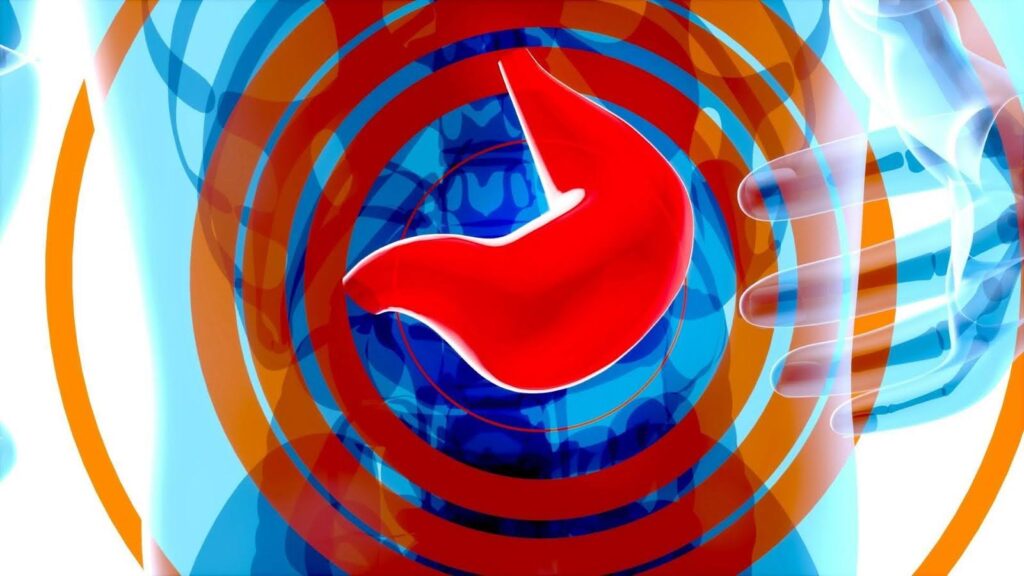
Chronic pain is a long-lasting condition that can make it hard to go about your day, move around, and feel your best. For many people, ongoing discomfort is linked to things like old injuries, sensitive nerves, or the way the body reacts over a long time. Sometimes, doctors might suggest chronic inflammation remedies as part of a plan to get to the bottom of the pain.
At One Health Clinics, our health professionals focus on finding out why pain is happening and creating a plan that fits you. Understanding what causes chronic pain and how doctors find the source can help you take the first step towards feeling better.
What Is Chronic Pain?
Chronic pain is discomfort that lasts longer than three months or keeps going even after an injury should have healed.
Unlike the sharp pain you feel right when you get hurt, chronic pain can stick around without a clear reason. It can affect your joints, muscles, nerves, or stomach, and it can range from a nagging ache to severe pain that stops you from doing what you love.
Many people ask why pain stays even after treatment. Sometimes, the body’s “wiring” becomes extra sensitive and keeps sending pain signals. In other cases, there is ongoing irritation or a health condition that keeps the body’s pain response switched on.
Working out what is driving the pain is the first step to getting the right help.
How Swelling and Irritation Affect Chronic Pain
When you get hurt, your body naturally reacts to protect and fix the area. This is a normal part of healing.
However, if this reaction lasts too long, it can cause ongoing pain and keep the area feeling tender. This long-term irritation can affect your joints, muscles, and nerves for months or even years.
Some people wonder why this doesn’t settle down on its own. Sometimes, other health issues or even daily habits can keep the body’s defenses active longer than they need to be. Doctors look for these triggers and may suggest chronic inflammation remedies to help calm the irritation and make the pain easier to manage.
Common Causes of Chronic Pain
Chronic pain can start for many reasons, and finding the source is a big part of getting a diagnosis.
One common cause is an old injury that didn’t quite mend, like a damaged joint or a strained muscle from doing the same movement too often. If the area doesn’t fully recover, it can lead to lasting discomfort.
Another cause is nerve pain. This happens when nerves are pinched or damaged, sending constant pain signals to the brain.
Some health conditions where the body attacks its own healthy tissue, like certain types of arthritis, can also cause long-term stiffness and swelling.
Daily habits can play a part too. Things like poor posture, not moving enough, high stress, or other general health issues can all make you more sensitive to pain.
How Doctors Find the Cause of Chronic Pain
Finding the cause of chronic pain is about more than just pointing to where it hurts. Doctors want to understand the “why” behind the pain.
The process usually starts with a good chat about your health history. Your doctor will ask when the pain started, what it feels like, what makes it flare up, and how it changes your daily life.
You might wonder if you need a scan. Depending on your symptoms, a doctor might suggest an X-ray, an MRI, or a blood test to look for physical damage or signs of irritation in the body.
A physical check-up is also important. The doctor might check how well your joints move, how strong your muscles are, and which spots are tender to help find the source.
Ways to Manage Chronic Pain
When ongoing irritation is part of the problem, doctors often suggest a mix of medical help and simple changes to your routine.
Medical help might include specific medicines or chronic remedies to ease swelling and take the edge off the pain.
Changes to your lifestyle can also make a big difference. Things like seeing a physio, gentle exercise, and eating well can help your body feel stronger and move more easily.
Many people ask about natural ways to help. Some find that better sleep, less stress, and a healthy diet help reduce flare-ups and support their general health.
Every person is different, so your doctor will help you find the mix that works best for you.
Why Getting Help Early Matters
Chronic pain can get worse over time if the cause isn’t found. Getting a diagnosis early means you can start the right treatment before things get too difficult.
For example, catching the cause of swelling early can help protect your joints and nerves from long-term trouble.
Some people ask if chronic pain can be cured completely. While the goal is often to manage the pain so it doesn’t run your life, many people find they can move much better and feel a lot more comfortable with the right support.

Key Things to Know
- Chronic pain usually comes from a few different things working together, like old injuries, sensitive nerves, or ongoing irritation.
- Finding the cause involves talking through your history, a physical check, and sometimes tests or scans.
- Management usually involves a mix of medical support and practical steps to help you move and feel better.
Conclusion
Chronic pain is tough, but understanding why it’s happening is a huge step forward. By looking at things like nerve sensitivity and general health, doctors can find a way to help that fits your life.
At One Health Clinics, we work with you to find the source of the pain and the best way to manage it. With the right medical advice and some simple changes, you can start moving towards feeling more comfortable and getting back to your normal self.