
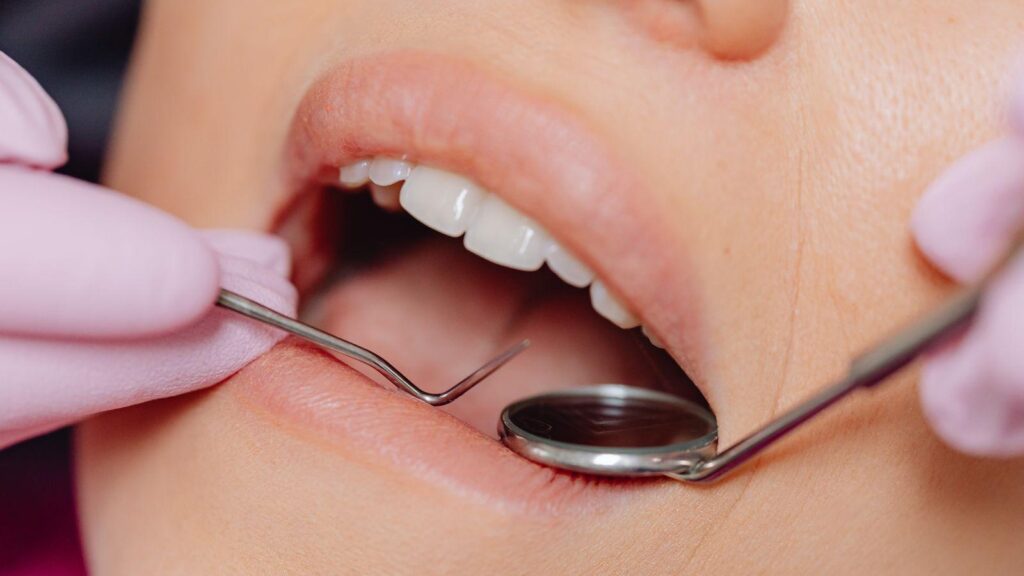
Dental anxiety can make a crown appointment feel difficult, especially when traditional treatment requires multiple visits and a temporary crown. Same-day crowns use digital scans and in-office milling to complete many restorations in one appointment. If anxiety has kept you from getting same day crowns in Evansville, IN, knowing how the process works ahead of time can make the appointment feel far less daunting.
A same-day crown can reduce stress by limiting appointments, shortening the treatment timeline, and helping you avoid a temporary crown. You will learn how the technology works, which comfort strategies can help, and how to prepare for a smoother visit.
Your dentist will still need to assess your tooth, treatment needs, and anxiety level to determine whether this option suits you. Understanding each step can help you feel more prepared and confident before your appointment.
Understanding Same-Day Crown Technology
Same-day crowns use an intraoral scanner, computer-aided design, and an in-office milling machine to replace several traditional steps. You can usually avoid physical impressions, temporary crowns, and a separate appointment for placement, although your dentist must confirm that your tooth and treatment needs suit this approach.
How Digital Scanning Replaces Traditional Impressions
Your dentist first prepares the damaged tooth by removing decay and shaping the remaining structure. Instead of filling a tray with impression material, the dentist moves a small intraoral scanner around your teeth.
The device captures detailed images of the tooth, nearby teeth, and your bite, then creates a three-dimensional digital model. You do not need to sit with impression material in your mouth while it sets.
This can make the process easier if you have a strong gag reflex or anxiety about dental procedures. You may still feel pressure, vibration, or sensitivity during tooth preparation, but the scan itself is typically quick and noninvasive.
Your dentist uses the digital model to design the crown’s shape and bite. The software helps identify areas that may contact too heavily, while your dentist checks the design and makes clinical adjustments before production.
What Happens During a Single-Visit Crown Appointment
A typical appointment includes an examination, local anesthetic, tooth preparation, digital scanning, crown design, milling, try-in, and bonding. After preparing your tooth, the dentist sends the digital design to an in-office milling unit, which shapes the crown from a ceramic block.
Some practices also use a furnace to strengthen or characterize the restoration. You may wait in the office while the crown is produced.
The dentist then checks its fit, color, contacts with neighboring teeth, and bite. Adjustments may occur before the dentist bonds the crown permanently.
You avoid wearing a temporary crown between appointments, but the visit may last several hours. You may also need a follow-up visit if your dentist wants to check your bite, gum response, or comfort after placement.
Reducing Anxiety Through Fewer Appointments
A same-day crown can reduce stress by completing scanning, design, fabrication, and placement during one visit. You avoid some common sources of worry, including temporary crowns, repeated injections, and uncertainty about when treatment will finish.
Avoiding Temporary Crown Concerns
Traditional crown treatment often requires a temporary crown while a dental laboratory makes the permanent restoration. A temporary crown can feel loose, affect your bite, or make chewing uncomfortable.
You may also worry about damaging it or having it come off between appointments. With a same-day crown, your dentist typically prepares the tooth, captures digital images, designs the crown, and places the final restoration during one appointment.
You leave without needing a temporary covering or a separate fitting visit. Your dentist still needs to confirm that your tooth can support this approach, since extensive damage, certain bite problems, or complex cosmetic needs may require another treatment plan.
Limiting Repeated Dental Visits
Each dental appointment can create stress, particularly if you feel anxious about injections, drilling, sounds, or sitting in the dental chair. Completing crown treatment in one visit limits the number of times you must arrange transportation, take time off work, or prepare yourself for dental care.
Fewer visits also mean fewer opportunities for discomfort between appointments. You generally do not need a second appointment to remove a temporary crown and place the permanent one.
Ask your dentist how long your appointment may last, because same-day treatment often takes about 60 to 120 minutes, depending on the tooth, technology, and preparation required.
Creating a More Predictable Treatment Experience
Digital scanning and computer-aided design allow your dentist to evaluate the prepared tooth and create a crown based on its shape and bite. An in-office milling unit may then fabricate the restoration while you wait.
Your dentist checks the crown’s fit, contact with neighboring teeth, and appearance before bonding it in place. This process can make the appointment easier to understand because each stage follows a defined sequence.
Before treatment, ask about breaks, numbing options, headphones, and a hand signal for pausing. You should also confirm whether your tooth qualifies for same-day treatment and what will happen if the dentist discovers additional damage during preparation.
Comfort Strategies During Treatment
You can reduce dental stress by discussing your concerns early, choosing appropriate anesthetic or sedation options, and agreeing on clear communication signals. A planned pause system also gives you control during scanning, preparation, and crown placement.
Discussing Anxiety Before the Appointment
Tell the dental team about your anxiety when you schedule the appointment and repeat any specific concerns during your consultation. Explain what triggers discomfort, such as needles, drilling sounds, a feeling of losing control, or uncertainty about what will happen next.
Ask the dentist to describe each stage in plain language before beginning. You can also request headphones, quieter instruments when available, or an explanation of how long each step should take.
Share your medical history, medications, past reactions to anesthetics or sedatives, and any conditions that could affect treatment. A pre-treatment plan may include short explanations, scheduled pauses, and a step-by-step signal system.
Agreeing on these details beforehand can make the appointment more predictable.
Numbing Options and Sedation Considerations
Your dentist typically uses local anesthetic to numb the tooth and surrounding tissue before preparing it for a crown. Ask the dentist to apply topical gel first, inject slowly, and test the area before treatment begins.
Tell the dentist if you still feel sharp pain; pressure, vibration, and movement can remain normal, but sharp pain requires attention. Sedation may help some patients remain calm, but it does not replace local anesthetic.
Options can include nitrous oxide or prescribed oral medication, depending on your health, medications, and the dentist’s training. Discuss benefits, risks, eating and drinking instructions, and whether you need an adult to drive you home.
Do not take anti-anxiety medication or alcohol before treatment unless your dental or medical professional specifically approves it.
Using Breaks and Communication Signals
Agree on a simple signal before treatment, such as raising your left hand to request a pause. The dentist should stop safely, remove instruments when appropriate, and give you time to breathe or ask questions.
Avoid relying on speaking while your mouth remains open. You can request a brief pause before injections, tooth preparation, digital scanning, or cementing the crown.
Slow breathing through your nose may help you stay settled during these steps. Ask the team to warn you before changing instruments or starting a sensation that may feel unfamiliar.
If you feel dizzy, short of breath, unusually numb, or unwell, signal immediately. Your dental team can assess the problem and adjust the treatment safely.
Planning for a Successful Crown Visit
You can reduce uncertainty by discussing your concerns, treatment options, and comfort needs before the procedure begins. Clear aftercare instructions also help you protect the new crown and recognize problems that require prompt attention.
Preparing Questions for the Dental Team
Write down your questions before the appointment so anxiety does not make you forget important details. Ask:
- What will happen during each step, including numbing, tooth preparation, scanning, milling, and placement?
- How long will each stage take, and can you take short breaks?
- What signals should you use if you need the dentist to stop?
- Will you receive local anesthetic, sedation, or another comfort option?
- Is a same-day crown suitable for your tooth, or would a laboratory-made crown provide a better result?
- What material will you receive, and how should you care for it?
- What costs will your insurance cover?
Tell the dental team about previous difficult visits, fear of needles, sensitivity to sounds, or concerns about gagging. Agree on a simple hand signal, such as raising your left hand, to request a pause.
You can also ask whether headphones, music, or a support person are permitted.
Following Care Instructions After Placement
Follow your dentist’s instructions about eating and drinking, especially while the numbness remains. Avoid chewing until you regain normal sensation so you do not bite your cheek, tongue, or lip.
If your dentist recommends waiting before eating, follow that timeframe. Your dentist may advise you to avoid hard, sticky, or chewy foods temporarily.
Brush and floss as directed, but avoid forcing floss upward if the crown has a contact point. Slide the floss out from the side when instructed.
Maintain regular cleaning around the gumline. Mild sensitivity or gum tenderness can occur after placement.
Contact your dental office if your bite feels uneven, pain persists or worsens, the crown feels loose, or you develop swelling. Do not try to adjust or reattach the crown yourself.