
In an era where notifications ping every few seconds and the world’s knowledge sits in your pocket, staying healthy and informed can feel like juggling flaming swords. Yet, thriving in this fast-paced digital age doesn’t have to be a circus act. By adopting mindful habits, staying curious, and using modern tools wisely, anyone can build a lifestyle that promotes both physical well-being and mental sharpness.
Prioritizing Physical Health
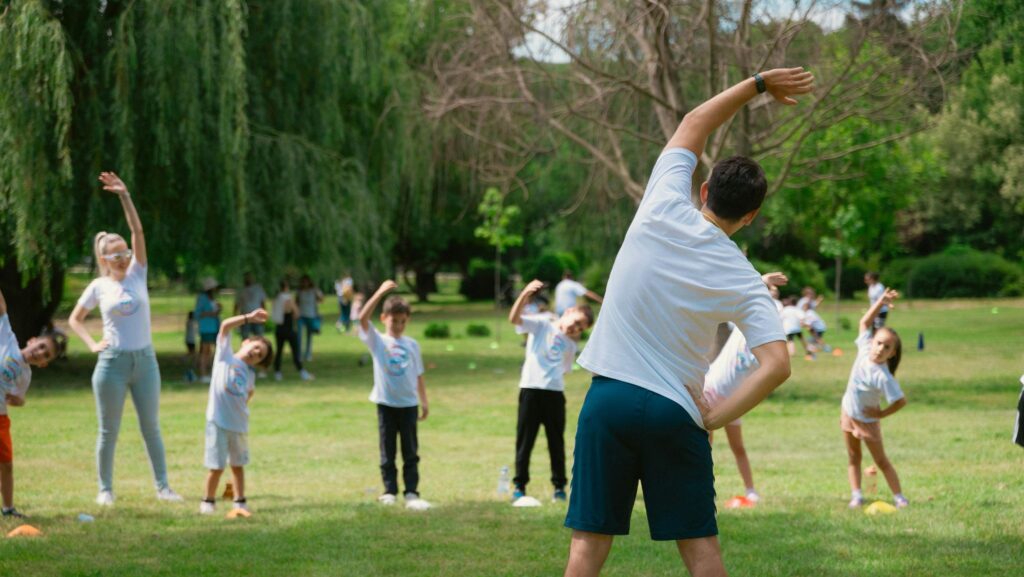
Physical health is the foundation of overall well-being. Regular exercise not only keeps your body fit but also reduces the risk of chronic diseases, boosts mood, and enhances cognitive function. Experts recommend at least 150 minutes of moderate aerobic activity per week, complemented by strength training exercises twice weekly. For many, integrating movement into daily life is the most practical approach—taking the stairs instead of the elevator, walking during calls, or following short home workouts can make a real difference.
Nutrition plays a vital role as well. Modern diets often include excessive processed foods, sugars, and unhealthy fats, which can lead to inflammation and long-term health issues. A balanced diet of fruits, vegetables, whole grains, lean proteins, and healthy fats supports both physical and mental performance. Staying informed about evidence-based nutritional guidance helps avoid trendy fads and misinformation. Additionally, for those seeking alternatives to traditional smoking, certain regulated vapes can be a healthier option, reducing exposure to harmful chemicals while satisfying nicotine cravings.
Sleep, often underestimated, is crucial. Adults need seven to nine hours of quality sleep per night for optimal health, cognitive function, and emotional regulation. Technology can help or hinder this: limiting screen time before bed, using apps to track sleep patterns, and maintaining a consistent schedule all contribute to restorative rest.
Maintaining Mental and Emotional Health
Physical wellness is deeply linked to mental and emotional well-being. Modern lifestyles—fast-paced, digitally saturated, and stress-laden—can trigger anxiety, burnout, and decreased focus. Mindfulness and meditation practices are increasingly recognized for their ability to reduce stress, enhance attention, and foster a sense of calm. Even brief daily sessions of deep breathing or guided meditation apps can yield noticeable benefits.
Social connections are equally important. Healthy relationships, community involvement, and regular interaction with friends or family bolster emotional resilience. In the age of social media, balancing digital engagement with in-person interactions is key to maintaining meaningful relationships.
Seeking professional mental health support should be normalized. Therapists, counselors, and support groups provide essential tools for navigating emotional challenges. Teletherapy has made professional help more accessible than ever, enabling consistent support even in a busy modern schedule.
Staying Informed in the Digital Age
Being well-informed is as crucial as maintaining physical and mental health. The volume of information online can be overwhelming, and misinformation spreads quickly. Developing media literacy is essential for discerning fact from fiction.
Start by relying on credible sources such as reputable news outlets, peer-reviewed journals, and official organizations. Fact-checking websites and cross-referencing information help prevent the spread of misinformation. Diversifying information sources ensures a more balanced perspective, reducing the influence of bias from a single outlet.
Time management is also critical. Allocate specific windows for news consumption instead of constantly checking updates, which helps prevent information fatigue and promotes deeper understanding. Technology can help curate knowledge: news aggregator apps, newsletters, and educational podcasts allow readers to focus on relevant topics efficiently. Alerts for breaking news or subscription-based research services can also ensure timely access to trustworthy information.
Integrating Health and Knowledge
Interestingly, health and informed living often reinforce each other. Regular exercise, good nutrition, and adequate sleep improve cognitive function, attention, and memory—helping people process and retain information effectively. Conversely, staying informed about wellness strategies allows for smarter choices about diet, activity, and lifestyle.
Combining learning with daily habits is an effective strategy. Listening to educational podcasts during exercise or chores integrates movement with knowledge acquisition. Meal planning based on reliable nutritional advice promotes both physical health and informed decision-making. Community programs like wellness workshops or discussion groups foster social engagement while expanding awareness.
Practical Tips for Modern Wellness and Awareness
- Schedule your wellness: Treat exercise, meal prep, and sleep as non-negotiable appointments.
- Curate your media diet: Follow trusted news sources and avoid sensationalist content.
- Practice mindfulness daily: Even five minutes of meditation can reduce stress and improve focus.
- Stay socially connected: Prioritize meaningful interactions over passive scrolling.
- Evaluate information critically: Question sources, cross-check facts, and avoid sharing unverified content.
- Leverage technology wisely: Use apps and tools to track health metrics and organize news consumption.
- Combine learning with movement: Listen to educational content during commutes, workouts, or chores.
Conclusion
Staying healthy and informed today isn’t about perfection—it’s about intention. By prioritizing physical, mental, and emotional wellness while cultivating media literacy and critical thinking, anyone can navigate life with clarity, resilience, and vitality. Integrating exercise, nutrition, sleep, mindfulness, social engagement, and informed decision-making creates a balanced, thriving lifestyle.
The modern guide to wellness and knowledge isn’t a strict set of rules but a flexible framework for conscious living. In a world overflowing with distractions, those who master thoughtful engagement—both with their bodies and minds—will thrive. Embrace these habits, leverage modern tools, and you’ll find yourself not just surviving, but flourishing in a healthy, informed, and empowered life.