
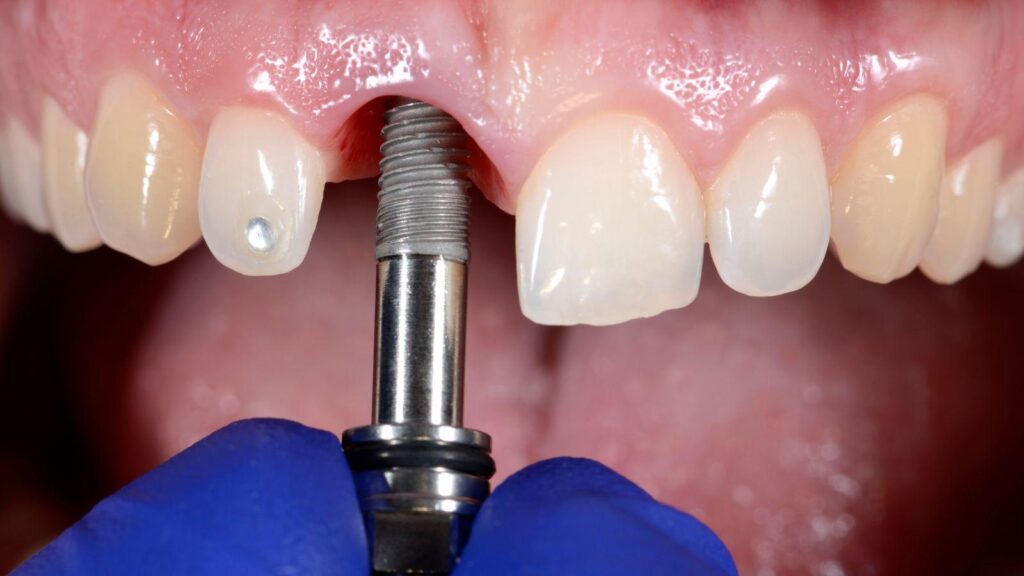
Zirconia implants offer a metal-free, tooth-colored alternative to titanium. Their long-term durability remains less documented. If you’re considering zirconia dental implants in Delray Beach, understanding how the current evidence compares to titanium can help you make a more informed choice with your dentist.
Titanium implants currently have the stronger long-term evidence and slightly more predictable survival. Properly selected zirconia implants can also perform well.
Material strength, implant design, bone integration, bite forces, oral hygiene, and clinical placement all affect how long your implant lasts. You’ll see how than current survival research compares both materials and which factors can help you and your dentist choose the most suitable option.
Materials and Long-Term Performance
Both materials can support durable dental restorations. They handle long-term stresses differently.
Your choice depends on fracture risk, implant design, bone integration, loading conditions, and the amount of clinical evidence available.
Zirconia Strength and Fracture Resistance
Zirconia offers high compressive strength and good resistance to chemical degradation in the oral environment. Its tooth-colored appearance can benefit you when thin gum tissue exposes the implant area, particularly in the front of the mouth.
Zirconia remains a ceramic, so it behaves differently from titanium under repeated bending and impact. It does not gradually deform before failure; excessive stress can cause cracks or fracture.
One-piece zirconia implants avoid a junction between implant and abutment but limit surgical positioning and prosthetic flexibility. Two-piece systems provide greater restorative control, yet the implant–abutment connection becomes a critical mechanical area.
Modern zirconia designs and surface treatments have improved performance. Long-term evidence remains more limited than for titanium.
Clinical studies commonly support reliable short- to mid-term outcomes. Data beyond five years remain insufficient to establish equal durability across all implant designs and patients.
Titanium Fatigue Resistance and Corrosion Stability
Titanium combines high strength with useful flexibility, allowing it to tolerate repeated chewing forces without the brittle fracture pattern associated with ceramics. Its established implant designs, including two-piece systems, give you broad options for positioning, angled restorations, and replacement of prosthetic components.
A stable titanium oxide layer protects the metal from corrosion in normal oral conditions. This layer can become affected by wear, acidic environments, or contact with dissimilar metals, but clinically significant corrosion-related failure remains uncommon when manufacturers use appropriate alloys and surfaces.
Titanium also has the strongest long-term clinical record. High survival rates have been documented across diverse loading conditions and follow-up periods.
Success still depends on bone quality, infection control, implant position, oral hygiene, and prosthetic design. Surface treatments support osseointegration, but they cannot eliminate mechanical or biological complications.
Clinical Evidence on Implant Survival
Long-term evidence supports titanium as the better-documented choice. Zirconia shows promising short- and mid-term survival.
When you compare materials, you should consider follow-up duration, implant design, patient factors, and the difference between survival and success.
Long-Term Zirconia Implant Studies
Zirconia implants generally show high survival rates during short- and medium-term follow-up, particularly with modern one-piece and tissue-level designs. Systematic reviews report results that can approach titanium in selected cases, but the evidence base remains smaller and less consistent.
Many studies follow patients for five years or less. They provide limited information about performance over several decades.
You should also account for mechanical complications. Zirconia can resist corrosion and offers favorable soft-tissue aesthetics, but it is more brittle than titanium.
Fracture risk may increase with unfavorable implant geometry, excessive loading, inadequate bone support, or poorly controlled occlusion. A large retrospective study of tissue-level zirconia implants placed after failed titanium implants adds useful long-term evidence, but retrospective data cannot establish the same certainty as large prospective trials.
Titanium Implant Success Data
Titanium implants have decades of clinical research and extensive evidence across different implant systems, jaw locations, loading protocols, and patient groups. Well-maintained titanium implants commonly demonstrate survival rates above 90% over 10 years.
Results vary with smoking, periodontal disease, bone quality, oral hygiene, and prosthetic loading. Titanium also has a substantial record of mechanical durability.
Its strength and elastic behavior help it tolerate functional forces, while established surface treatments support predictable bone integration. However, titanium implants can still fail through peri-implantitis, progressive bone loss, fracture, or prosthetic complications.
You should interpret survival figures carefully: an implant may remain in place while showing bone loss or other problems that prevent it from meeting stricter success criteria.
Factors That Influence Durability
Long-term durability depends on more than whether you choose zirconia or titanium. Implant design, bone integration, chewing forces, grinding habits, implant position, maintenance, and prosthetic fit all affect how well your implant performs over time.
Implant Design and Osseointegration
Your implant must integrate securely with the surrounding bone, a process called osseointegration. Surface texture, thread design, diameter, length, and placement depth influence how effectively the implant distributes force and remains stable.
Titanium has a longer clinical history and more extensive long-term evidence. Modern zirconia implants also support bone integration when clinicians place and restore them appropriately.
Zirconia implants require careful case selection because some designs use a one-piece structure, which can limit prosthetic adjustment after placement. Two-piece zirconia systems offer greater flexibility but introduce a connection that must resist loosening or fracture.
Your bone volume, density, gum condition, and smoking status also affect integration. Poor oral hygiene, untreated periodontal disease, and inadequate healing can reduce durability with either material.
Bite Forces, Bruxism, and Implant Location
Your bite places different demands on implants depending on their location. Molars handle greater chewing forces than front teeth, while implants supporting full-arch restorations may experience repeated loading across several sites.
Titanium generally provides greater mechanical strength and has more evidence in high-load situations. Properly designed zirconia implants can perform reliably when you have suitable bone support and a stable bite.
Bruxism, or nighttime tooth grinding and clenching, increases the risk of ceramic fracture, screw or connection problems, and damage to the restoration. Your dentist may recommend a night guard, bite adjustment, or a different implant design if you grind your teeth.
A well-fitting crown, accurate implant positioning, regular examinations, and daily cleaning help limit stress and protect either material from avoidable complications.
Choosing the Appropriate Implant Material
Your choice should reflect the implant’s location, available bone, gum thickness, bite forces, and long-term research support. Zirconia can address specific aesthetic or metal-related concerns, while titanium offers the strongest evidence for predictable performance across a wide range of cases.
When Zirconia May Be Suitable
You may consider zirconia when you want a metal-free implant, have concerns about metal sensitivity, or need an aesthetic solution in the front of the mouth. Its tooth-colored appearance can reduce the risk of a dark tone showing through thin gums or receding tissue.
Zirconia may work well when the implant site has adequate bone and your bite does not place excessive sideways force on the implant. It has good tissue compatibility and can integrate with the jawbone.
Its design options and long-term clinical data remain more limited than titanium’s. You should also discuss whether the proposed zirconia system uses a one-piece or two-piece design.
One-piece implants may restrict placement and restoration options. Two-piece systems provide greater flexibility but require careful evaluation of their connection.
When Titanium Remains the Preferred Option
Titanium remains the usual choice when you need the broadest clinical evidence, high mechanical strength, and flexible treatment planning. Dentists often favor it for back teeth, long-span restorations, multiple implants, and areas exposed to substantial chewing forces.
Its two-piece designs allow your dentist to adjust the restorative component after placement. This also helps manage varied implant angles or bone conditions.
Titanium has decades of documented osseointegration and long-term survival data. This gives clinicians greater confidence when treating complex cases.
If you have thin gum tissue but no specific reason to avoid metal, your dentist can often address appearance by selecting an appropriate implant position. They may use a ceramic abutment or improve the surrounding soft tissue.
Your medical history, bite, bone quality, and maintenance habits should guide the final decision.