
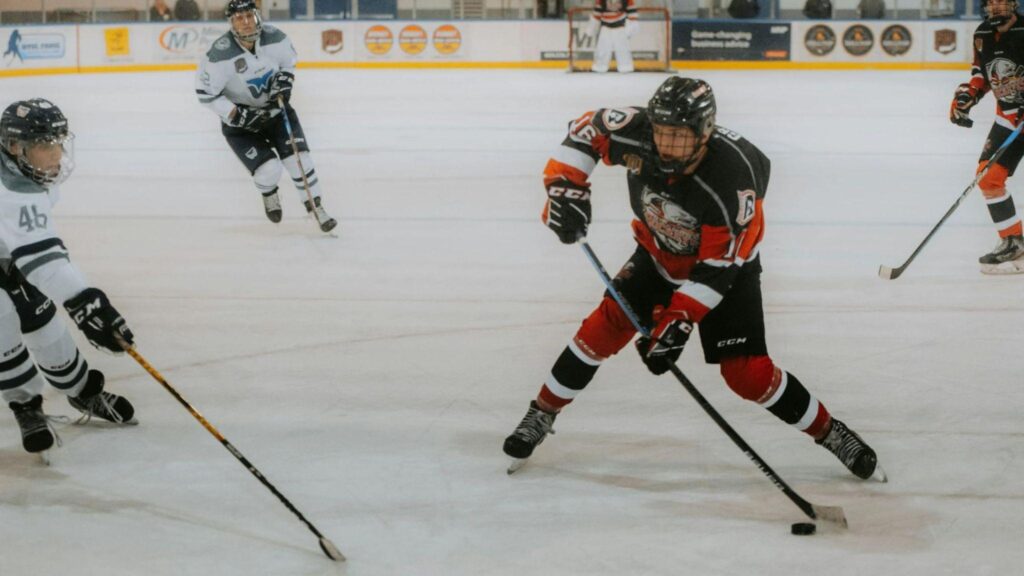
Watching hockey can be a lively way to spend an evening, but a long broadcast also creates natural moments to stand up, refill a glass, or step away from the screen. Treating those pauses as part of the plan makes the experience more comfortable without turning a game into a workout. The aim is simple: enjoy the sport, protect the rest of the evening, and choose a viewing format that fits your energy.
Prepare before puck drop
A few minutes of preparation can prevent the small interruptions that make a game feel more tiring. Put water within reach, arrange a light snack, and adjust the screen so you are not craning your neck. If you are watching after work, change into comfortable clothing and decide whether the whole game fits the night or whether a period and a recap are enough.
Use the room’s layout to encourage movement. Keep the remote on a side table rather than in your hand, leave a clear path to the kitchen, and avoid creating a nest of charging cables around the sofa. The self-care ideas in Conversations With Tea cover everyday choices that support a more intentional routine, and the same principle works for a thoughtful viewing setup.
Use intermissions as reset points
An intermission is long enough for a few useful actions. Stand and walk around the room, refill water, prepare the next snack, or look out of a window instead of automatically opening another screen. Gentle shoulder rolls and ankle movements can relieve the stiffness that comes from staying in one position. Keep the movements easy and stop if anything hurts.
If you watch with other people, make the break social. Ask what play changed the period, compare observations, or move to another room for a minute. A reset does not have to interrupt the shared experience. It can give the conversation a new rhythm and make the return to the second period feel deliberate.
Keep one break screen-free. A few quiet minutes can make the next period feel like a fresh start, especially when the game is close or the broadcast is late. If you are hosting, offer tea or water and let guests choose whether to keep discussing the play or simply enjoy a change of pace.
Watch with curiosity
A small observation exercise can make a broadcast more engaging. Follow how a team exits its defensive zone, watch the spacing around a power play, or note which line sustains pressure. You do not need a statistics dashboard to begin. The point is to pay attention to the structure of the game rather than judge the evening only by the final score.
For questions about terminology, penalties, or league resources, use a reliable official reference rather than a hurried comment in a live chat, especially when a review or unusual call becomes the focus of the broadcast.
Protect the last hour of the night
Late games can make it tempting to keep scrolling after the final horn. Decide beforehand whether you will watch a post-game interview, read one recap, or close the screen. Dim the room gradually, put dishes away, and prepare what you need for the morning. These small closing rituals signal that the activity is finished instead of allowing it to expand into an unplanned night.
If the game is part of a busy week, alternate full broadcasts with shorter formats. A condensed replay can preserve the important moments without taking the same amount of time. A morning recap may also work when the late start conflicts with sleep. Following a sport consistently does not require being present for every minute.
Keep optional adult gambling separate
Some adults may look at nhl betting online where legal, but it is separate from watching hockey. If you participate, set a fixed amount and never use money for bills, food, rent, debt, or savings. Never borrow or chase losses, check local rules, and consult problem gambling help resources if stopping is difficult.
Build a sustainable viewing rhythm
The fitness tips from Conversations With Tea include practical activity-focused topics that can inspire a broader game-night rhythm. A viewing plan can leave space for a walk earlier in the day, a regular meal, and a normal bedtime on non-game nights. Balance does not require perfection; it requires noticing when a hobby is crowding out the routines that keep the week working.
You can also make the broadcast more welcoming for different energy levels. Offer a quieter seat, keep the volume comfortable, and let people join for one period rather than insisting on the whole game. A friend who prefers highlights is still part of the conversation. Shared interests work best when participation has more than one shape.
For more health, fitness, and self-care reading, explore Conversations With Tea. The strongest sports routine is one that ends with enough time and energy left for the next day. Hockey can supply excitement, strategy, and connection without taking over every hour around it.