
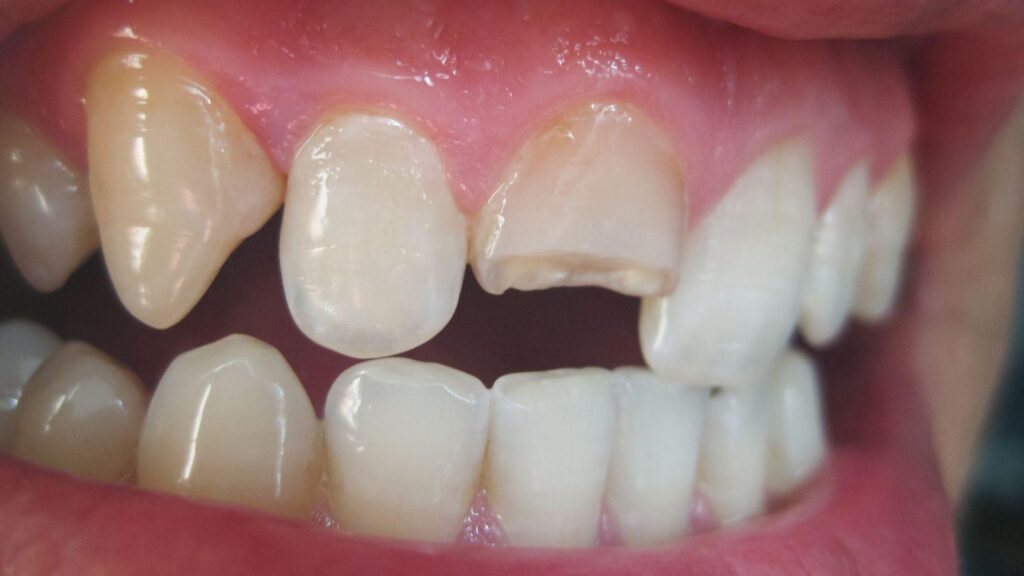
Sugar gets much of the attention, but acids—not sugar itself—directly wear away enamel. You can face enamel erosion from acidic foods and drinks, reflux, dry mouth, vomiting, some medications, and abrasive brushing, even if you limit sweets.
You may notice sensitivity, yellowing, rough spots, chips, or small pits as enamel thins. If erosion has already caused significant damage, the team at Inland Institute Oral & Maxillofacial Surgery can evaluate more advanced restorative or surgical options alongside your regular dentist. Everyday dietary choices, medical conditions, and habits can affect your teeth.
Practical steps can reduce further damage and indicate when you should seek dental care.
How Enamel Breaks Down
Enamel loses minerals when acids lower the pH around your teeth. Saliva helps counter this process by neutralizing acids, supplying minerals, and clearing food particles.
Frequent acid exposure or reduced saliva can overwhelm its protective effects.
The Role of Acids in Mineral Loss
Your enamel contains minerals, mainly calcium and phosphate, arranged in a hard crystal structure. When acids reduce the mouth’s pH—often below about 5.5—those minerals dissolve from the enamel surface.
Unlike tooth decay, which begins with acids produced by plaque bacteria, erosion can result directly from acidic foods, drinks, or stomach contents. Common sources include citrus fruit, fruit juice, sports drinks, soda, vinegar-based foods, and frequent sipping of wine or other acidic beverages.
Reflux, repeated vomiting, and some medicines can also expose your teeth to acid. The damage increases when you hold acidic drinks in your mouth, sip them throughout the day, or brush immediately afterward, when enamel may be temporarily softened.
Why Saliva Matters for Protection
Saliva protects your enamel in several ways. It dilutes and washes away acids, raises mouth pH, and supplies calcium and phosphate that help repair early mineral loss.
Saliva also supports the formation of a protective protein layer over each tooth. Dry mouth reduces these defenses.
Dehydration, mouth breathing, tobacco use, and medicines such as some antihistamines, antidepressants, and blood-pressure drugs can reduce saliva flow. When your mouth stays dry, acids remain in contact with enamel longer and you may develop sensitivity, rough surfaces, or increased cavity risk.
You can support saliva by drinking water regularly and chewing sugar-free gum, particularly gum containing xylitol. After acidic foods or drinks, rinse with water and wait about 30 minutes before brushing with fluoride toothpaste.
Unexpected Dietary Triggers
Acid exposure—not just sugar—can soften enamel and make it more vulnerable to wear. The amount, frequency, and length of contact matter, especially when acidic foods or drinks stay in your mouth for extended periods.
Citrus, Vinegar, and Acidic Foods
Citrus fruits, vinegar-based dressings, pickled foods, tomatoes, and sour candies contain acids that can temporarily soften enamel. These foods can remain part of a balanced diet, but frequent exposure increases the opportunity for erosion.
Sucking on lemon slices or slowly eating sour sweets prolongs acid contact more than consuming them with a meal. You can reduce risk by eating acidic foods with other foods rather than by themselves.
Drink water afterward, avoid swishing acidic liquids around your teeth, and wait about 30 minutes before brushing. Brushing immediately after acid exposure can increase surface wear while enamel remains softened.
Sparkling Water and Sports Drinks
Plain sparkling water is usually far less erosive than soft drinks, energy drinks, or sports drinks, but its carbonation forms a mild acid in water. Occasional consumption generally poses little concern for most people.
Frequent sipping can increase exposure, particularly if the water contains added citric or other acids. Sports and energy drinks often combine acidity with sugars and should not serve as routine hydration.
If you use one during prolonged exercise, drink it within a limited period instead of sipping it continuously. Choose plain water when possible, and rinse with water after acidic beverages.
Do not hold or swish these drinks in your mouth.
Frequent Snacking and Sipping
Your teeth need time between acid exposures to regain a more neutral environment and allow saliva to help repair early mineral loss. Repeatedly sipping juice, flavored water, coffee with acidic additives, or soft drinks keeps exposing enamel to acid throughout the day, even when each serving seems small.
Pair snacks with meals when practical, and keep acidic drinks to defined occasions. Use a straw for cold beverages if it feels comfortable, directing the drink toward the back of your mouth rather than your teeth.
Dry mouth, certain medicines, and reduced saliva can increase risk. Persistent sensitivity or enamel changes warrant a dental examination.
Medical and Lifestyle Contributors
Enamel erosion can result from stomach acid, reduced saliva, mechanical wear, or a combination of these factors. Identifying the source helps you choose effective changes and avoid worsening damage.
Acid Reflux and Vomiting
Stomach acid can reach your teeth when you have gastroesophageal reflux disease (GERD), frequent heartburn, or repeated vomiting. Unlike dietary acids, stomach acid enters your mouth from inside your body and can repeatedly contact the inner surfaces of your teeth.
This exposure may soften enamel and make it easier to wear away. You may notice sensitivity, a sour taste, or thinning enamel on the tongue-facing surfaces of your teeth.
Do not brush immediately after reflux or vomiting. Instead, rinse with water or a baking-soda solution, wait about 30 minutes, and then brush gently with fluoride toothpaste.
Ask a healthcare professional about persistent reflux or vomiting, and see a dentist if you notice increasing sensitivity or enamel loss.
Dry Mouth and Medication Effects
Saliva neutralizes acids, clears food particles, and supplies minerals that help strengthen early areas of enamel damage. A dry mouth reduces these protective effects.
Dehydration, mouth breathing, diabetes, autoimmune conditions, and treatments such as radiation therapy can reduce saliva flow. Many medications may contribute to dry mouth, including some antihistamines, antidepressants, blood-pressure medicines, and decongestants.
Do not stop a prescribed medicine without medical advice. Sip water regularly, chew sugar-free gum containing xylitol if appropriate, and limit acidic drinks.
Your dentist or clinician can review your medicines and recommend saliva substitutes or fluoride products when needed.
Tooth Grinding and Abrasive Brushing
Grinding or clenching does not chemically dissolve enamel, but it can remove enamel that acids have already softened. You may develop flattened tooth edges, small cracks, jaw soreness, morning headaches, or heightened sensitivity.
A dentist can check for wear and determine whether a custom night guard would help protect your teeth. Brushing with excessive force, a hard-bristled brush, or highly abrasive whitening toothpaste can also increase surface wear, especially after acidic exposure.
Use a soft-bristled toothbrush, light pressure, and gentle circular motions for two minutes twice daily. Choose fluoride toothpaste with low or moderate abrasivity, and avoid brushing immediately after acidic foods, drinks, reflux, or vomiting.
Reducing Damage and Seeking Care
You can limit further enamel loss by reducing acid exposure, changing brushing habits, and treating conditions that increase acid contact. A dentist can identify damage early, protect weakened areas, and address sensitivity or underlying medical causes.
Daily Habits That Protect Teeth
Rinse your mouth with water after acidic foods, sports drinks, fruit juice, wine, or vomiting. Wait about 30 minutes before brushing, because acid temporarily softens enamel.
Use a soft-bristled toothbrush, gentle pressure, and fluoride toothpaste twice daily. Do not scrub back and forth aggressively.
Limit frequent sipping and snacking on acidic drinks or foods. Have them with meals, use a straw for beverages when practical, and avoid holding drinks in your mouth.
Sugar-free gum can increase saliva flow after eating; choose gum containing xylitol if suitable for you. If you experience dry mouth, drink water regularly and ask a healthcare professional about possible causes or medication effects.
Do not use baking soda, charcoal, or abrasive whitening products without dental advice, as they may increase wear.
When to See a Dentist
Schedule an examination if you notice persistent sensitivity to cold, heat, sweets, or acidic foods. Yellowing or transparency near tooth edges, flattened or chipped surfaces, grooves, or pain while chewing are also signs to watch for.
Your dentist may recommend fluoride treatment or a prescription-strength fluoride product. Bonding, veneers, crowns, or another restoration may be suggested depending on the severity.
Tell the dentist about reflux, frequent vomiting, dry mouth, teeth grinding, acidic supplements, and your eating or drinking habits. Seek prompt care for severe pain, swelling, a broken tooth, or signs of infection.