
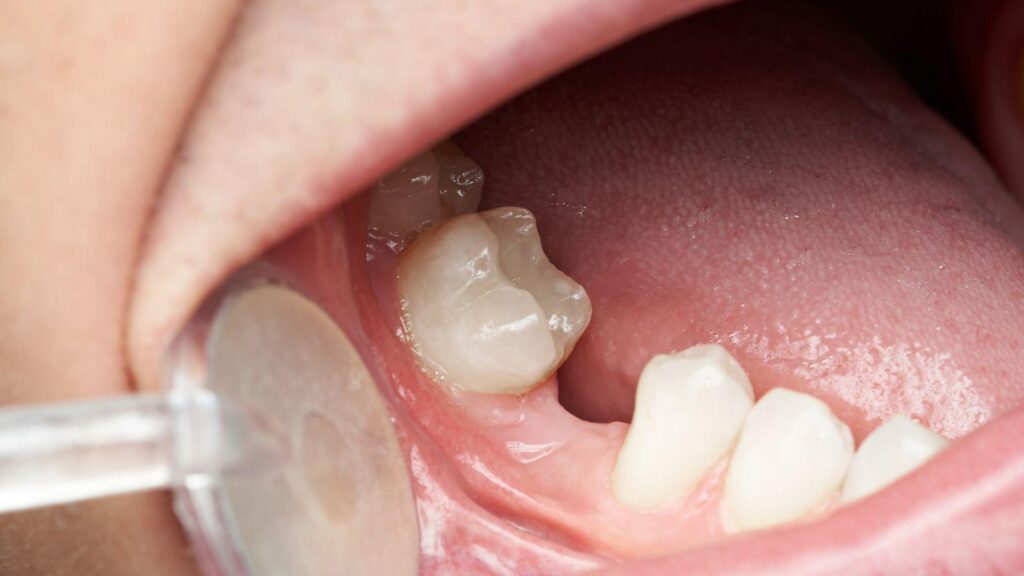
Losing a tooth affects more than your smile. Over time, nearby teeth may shift, chewing can become less comfortable, and the jawbone may gradually lose stimulation in the area where the tooth once supported it.
Many patients look into dental implants in Plymouth soon after losing a tooth, since prompt replacement can help prevent these changes from progressing.
This article explains how tooth loss changes your oral health and daily comfort. It discusses why replacing the tooth promptly may support better long-term results.
How Tooth Loss Changes Oral Function
A missing tooth can affect how you bite, chew, speak, and distribute pressure across your mouth. As nearby teeth move and the jawbone loses stimulation, the gap may create functional problems that become harder to correct with time.
Shifting Teeth And Bite Changes
Your neighboring teeth may gradually tilt or drift into the empty space. Teeth in the opposite jaw can also move downward or upward because they no longer contact an opposing tooth during biting.
These changes can trap food and make brushing and flossing more difficult. This can increase the risk of cavities and gum inflammation.
As your teeth shift, your bite may distribute force unevenly. You may notice discomfort when chewing, jaw fatigue, or sensitivity in teeth that now carry more pressure.
A changed bite can also affect the fit of existing dental work. Replacing the tooth promptly can help preserve the original spacing.
Bone Loss In The Jaw
Your jawbone needs stimulation from tooth roots to maintain its shape and density. After tooth loss, the bone around the empty socket no longer receives the same mechanical signals, so it can gradually shrink.
This process often affects the width of the ridge first and may later reduce its height. Bone loss can change the contour of your gums and make neighboring teeth less supported.
It may also limit your options for an implant or require bone grafting before placement. A dental examination, including appropriate imaging, can show how much bone remains.
Effects On Speech And Chewing
A missing tooth can change the way your tongue contacts your teeth and may affect certain sounds, particularly when the gap sits near the front of your mouth. You may notice a slight change in pronunciation or feel less confident speaking.
Chewing can also become less efficient. You may avoid using the affected side and place extra force on other teeth, which can contribute to wear or discomfort.
An implant-supported crown can restore a fixed biting surface. A bridge or partial denture may provide other suitable solutions based on your oral health, bone structure, and treatment needs.
Health And Quality-Of-Life Consequences
A missing tooth can affect the tissues around the gap, the position of nearby teeth, and the way you eat and speak. Delaying treatment may also make future restoration more complex as the jawbone and bite change.
Gum Disease And Decay Risks
A gap can make plaque and food particles harder to remove, especially around tilted neighboring teeth. If you struggle to clean these areas, bacteria can contribute to gum inflammation, decay, bad breath, and eventually periodontal disease.
Missing teeth do not directly cause decay, but the resulting changes can increase your risk. Adjacent teeth may drift into the space, creating tight or uneven areas where flossing becomes difficult.
Regular dental examinations and careful brushing and flossing help control these risks while you consider replacement.
Facial Structure Changes
Your tooth roots stimulate the jawbone when you chew. After tooth loss, the bone in that area may gradually shrink because it no longer receives the same mechanical stimulation.
The rate and extent vary, but prolonged bone loss can reduce the available support for an implant. Bone loss can also alter the contour beneath your gum and affect the apparent fullness of the lower face.
If neighboring teeth move or tip into the gap, your bite may change as well. A dentist can use an examination and dental imaging to assess bone levels.
Dietary And Confidence Impacts
You may avoid foods that require firm chewing, such as raw vegetables, nuts, or certain meats. Favoring softer foods can limit variety, while chewing mainly on one side may place extra strain on the teeth and muscles that do the remaining work.
A visible gap can also affect how freely you smile, speak, or interact with others. An implant-supported crown can restore a missing tooth without relying on removable appliances.
Suitability for an implant depends on your bone, gums, medical history, and oral hygiene. Treating the gap sooner may preserve more options and simplify planning.
Why Timely Dental Implants Matter
Replacing a missing tooth can help maintain chewing function, tooth alignment, and jawbone support. Your dentist must assess your oral health, bone volume, gum condition, and medical history to determine when an implant makes sense.
Preserving Jawbone And Alignment
After tooth loss, the jawbone no longer receives stimulation from the tooth root. The bone in that area may gradually shrink, which can reduce support for nearby teeth and change the shape of your gumline.
Bone loss can also make future implant placement more complex because the implant needs sufficient bone for stability. Nearby teeth may drift into the open space, while opposing teeth can move farther out of their sockets.
These changes may affect your bite and make chewing less comfortable. Replacing the tooth with an implant and crown can help occupy the space and restore a more balanced chewing pattern.
Your dentist may recommend imaging and, in some cases, bone grafting before or during implant treatment.
Implant Candidacy And Treatment Timing
Your dentist typically reviews your medical history, medications, smoking status, gum health, bite, and the condition of the extraction site. X-rays or three-dimensional scans help show bone volume, nearby roots, nerves, and other structures.
Treatment timing depends on why you lost the tooth and whether infection or gum disease remains. Some implants can be placed soon after extraction, while others require healing first.
If you have active periodontal disease, uncontrolled diabetes, heavy tobacco use, or inadequate bone support, your dentist may recommend treatment to address these issues before implant placement.
An implant usually requires several stages: placement of the implant post, a healing period for bone integration, and attachment of the abutment and crown. Ask about the expected timeline, maintenance needs, and risks before you begin.
Alternatives When Implants Are Not Suitable
If an implant does not fit your health needs, anatomy, preferences, or budget, you still have replacement options.
A fixed dental bridge uses crowns on neighboring teeth to support an artificial tooth. It can restore appearance and chewing function.
Preparation usually requires removing some enamel from the supporting teeth.
A removable partial denture replaces one or more teeth. It can often cost less than a bridge or implant.
You must remove it for cleaning and follow your dentist’s instructions for fit and care.
In some cases, your dentist may recommend delaying replacement while treating gum disease or improving blood sugar control.
They may also suggest waiting while stopping tobacco use or completing bone grafting.
Leaving the space untreated has consequences, so discuss how long you can safely wait and how to protect your remaining teeth.