
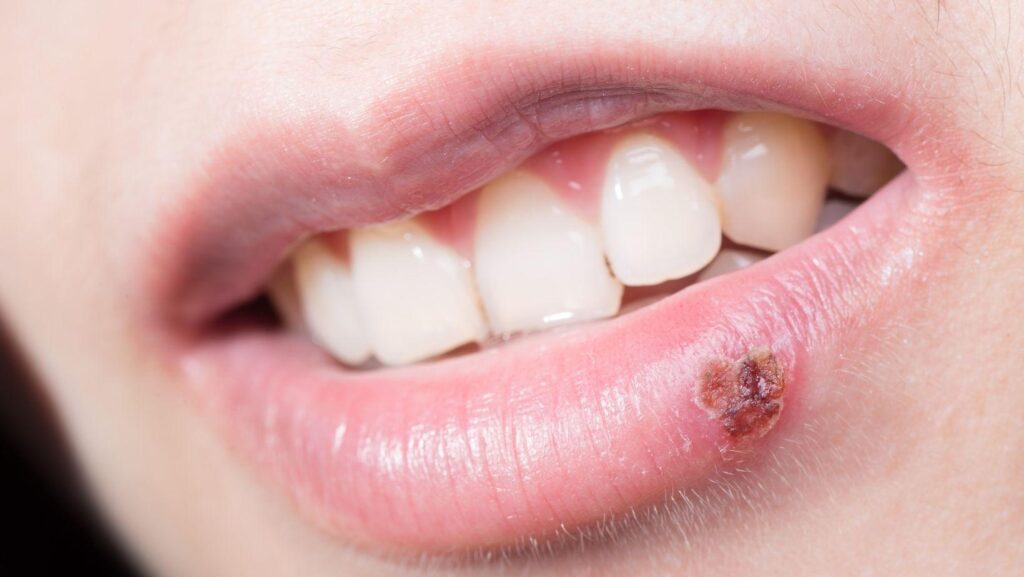
Canker sores and cold sores may both hurt, but they differ in location, cause, and treatment. Canker sores develop inside your mouth and are not contagious, while cold sores usually appear on or around your lips and result from the contagious herpes simplex virus.
You can often identify the type by its appearance and symptoms. Triggers such as stress, illness, injury, or sun exposure may complicate the picture. The team at Hite Family Dentistry can help you tell the two apart and recommend care if a sore doesn’t resolve on its own.
Learn which treatments ease discomfort, how to reduce outbreaks, and when persistent or severe sores need medical attention.
Key Differences in Appearance, Location, and Symptoms
Canker sores develop inside your mouth and are not contagious, while cold sores usually appear on or around your lips and result from the contagious herpes simplex virus. Their location, appearance, warning sensations, and patterns of recurrence can help you distinguish them.
Canker Sore Characteristics
You typically find a canker sore on the inner surface of your cheek or lip, under your tongue, or along your gums or soft palate. It appears as a round or oval ulcer with a white, gray, or yellow center and a distinct red border.
Canker sores often cause sharp pain when you eat, drink, brush your teeth, or speak. Spicy, acidic, salty, or rough foods may irritate them further.
You may develop one sore or several at once. Most heal within one to two weeks without scarring.
Canker sores do not form on the outer lip and do not spread through kissing, sharing utensils, or other contact. Injury, stress, hormonal changes, nutritional deficiencies, or certain illnesses may trigger them, although you may not always identify a specific cause.
Cold Sore Characteristics
Cold sores usually appear as clusters of small, fluid-filled blisters on or around your lips. They can also develop near your nose or on nearby facial skin.
The affected area may first tingle, burn, itch, or feel tender before the blisters become visible. The blisters eventually break, release fluid, and form a crust.
Cold sores commonly heal within about two weeks. The first outbreak may cause more extensive symptoms, such as fever, swollen glands, sore throat, or painful gums.
Unlike canker sores, cold sores can affect the outer lip and sometimes the gums or roof of your mouth. The herpes simplex virus remains in your body and may reactivate during illness, stress, sun exposure, or other triggers.
How They Spread
Canker sores do not spread from person to person. You cannot transmit one by kissing, sharing drinks, or touching the ulcer.
Cold sores are contagious from the first tingling sensation until the blister has completely crusted and healed. The virus spreads through direct contact with a sore, saliva, or infected skin, including kissing and oral sex.
Avoid close contact and sharing lip balm, utensils, towels, or toothbrushes during an outbreak. Antiviral treatment may reduce the duration and severity, especially when you start it at the first warning symptoms.
Causes and Common Triggers
Canker sores usually result from local irritation or immune-related triggers and are not contagious. Cold sores develop when herpes simplex virus type 1 (HSV-1) becomes active again, often after stress, illness, or sun exposure.
Factors That Trigger Canker Sores
Canker sores, also called aphthous ulcers, do not come from herpes and cannot spread to other people. They develop inside your mouth, commonly on the inner lips, cheeks, tongue, or gums.
Frequent triggers include:
- Biting or injuring the inside of your mouth
- Sharp teeth, braces, or poorly fitting dental appliances
- Irritation from acidic, spicy, salty, or abrasive foods
- Emotional stress, fatigue, or hormonal changes
- Nutritional deficiencies, especially iron, vitamin B12, or folate
- Certain medications or underlying health conditions
You may reduce irritation by using a soft-bristled toothbrush and avoiding foods that worsen pain. If sores recur often, last longer than two weeks, or appear with fever or other symptoms, ask a healthcare professional about possible causes.
Herpes Simplex Virus and Cold Sore Outbreaks
Cold sores result from HSV-1, which remains in your body after the first infection and can reactivate later. They usually appear as clusters of fluid-filled blisters on or around your lips, though they can sometimes affect nearby facial skin.
They are contagious from the first tingling or burning sensation until the sores completely heal. Common outbreak triggers include illness or fever, emotional stress, fatigue, sun exposure, hormonal changes, and injury to the affected area.
Avoid kissing, oral sex, and sharing utensils, drinks, lip balm, or towels during an outbreak. Prescription antiviral medicines work best when you start them during the early tingling stage; frequent or severe outbreaks may require preventive treatment from a healthcare professional.
Treatment and Symptom Relief
Canker sores usually need pain control and protection while they heal. Cold sores may benefit from early antiviral treatment.
Avoiding irritation, protecting the affected area, and recognizing warning signs can support recovery.
Managing Canker Sore Pain
You can reduce discomfort by rinsing your mouth with salt water or a baking soda solution. Use a soft-bristled toothbrush and avoid spicy, acidic, salty, or rough foods.
Choose cool, soft foods and drinks if chewing or swallowing hurts. Over-the-counter oral gels or rinses containing a numbing ingredient can provide temporary relief.
Follow the product directions and avoid applying more than recommended. Your dentist or clinician may prescribe a corticosteroid dental paste for larger, frequent, or especially painful sores.
Seek dental or medical care if a sore lasts longer than two weeks, repeatedly returns, becomes unusually large, or makes eating and drinking difficult.
Treating Cold Sores
Cold sores often begin with tingling, burning, or itching before blisters appear. Keep the area clean and dry, apply a cool compress for short periods, and use petroleum jelly to reduce cracking.
An over-the-counter pain reliever may help if you can take it safely. Do not squeeze or pick at the blister or scab.
Wash your hands after touching your mouth. Avoid sharing drinks or personal items, and avoid kissing or oral sex until the sore has completely healed.
Cold sores remain contagious from the early tingling stage through healing.
When Antiviral Medication May Help
Prescription antiviral medicines work best when you start them during the first tingling or burning symptoms. A clinician may prescribe treatment such as acyclovir, valacyclovir, or famciclovir to shorten an outbreak or reduce its severity.
You may benefit from prescription treatment if outbreaks are frequent, painful, extensive, or interfere with daily activities. Seek prompt medical advice if a cold sore affects your eye, spreads widely, or occurs with a weakened immune system.
Prevention and When to Seek Medical Care
You can reduce outbreaks by avoiding known triggers, protecting irritated skin, and limiting contact during cold sore episodes. Seek medical care when sores are unusually severe, persistent, frequent, or accompanied by symptoms that suggest a wider infection or another condition.
Reducing Future Outbreaks
To help prevent canker sores, avoid biting the inside of your mouth and use a soft-bristled toothbrush. Choose toothpaste without sodium lauryl sulfate if it seems to trigger sores.
Limit foods that consistently cause irritation, such as spicy, acidic, or rough-textured foods. Ask a healthcare professional about testing for iron, vitamin B12, or folate deficiency if sores recur often.
To reduce cold sore outbreaks, use lip balm with sunscreen. Manage common triggers such as illness, stress, and sun exposure.
Avoid touching or picking the blisters. During an outbreak, avoid kissing and oral sex, and do not share drinks, utensils, towels, or lip products.
Wash your hands after touching the area. Prescription antiviral medicine works best when you start it during tingling or burning, before blisters fully develop.
Signs That Need Medical Evaluation
Contact a healthcare professional if a sore lasts longer than two weeks, repeatedly returns, becomes unusually large or painful, or interferes with eating and drinking.
Seek care sooner if you develop fever, spreading redness, pus, severe swelling, eye pain, or sores elsewhere on your body.
You should also seek prompt advice if you have a weakened immune system, are pregnant, or care for a newborn and develop suspected cold sores.
A sore near the eye requires urgent evaluation because herpes infection can damage the eye.