
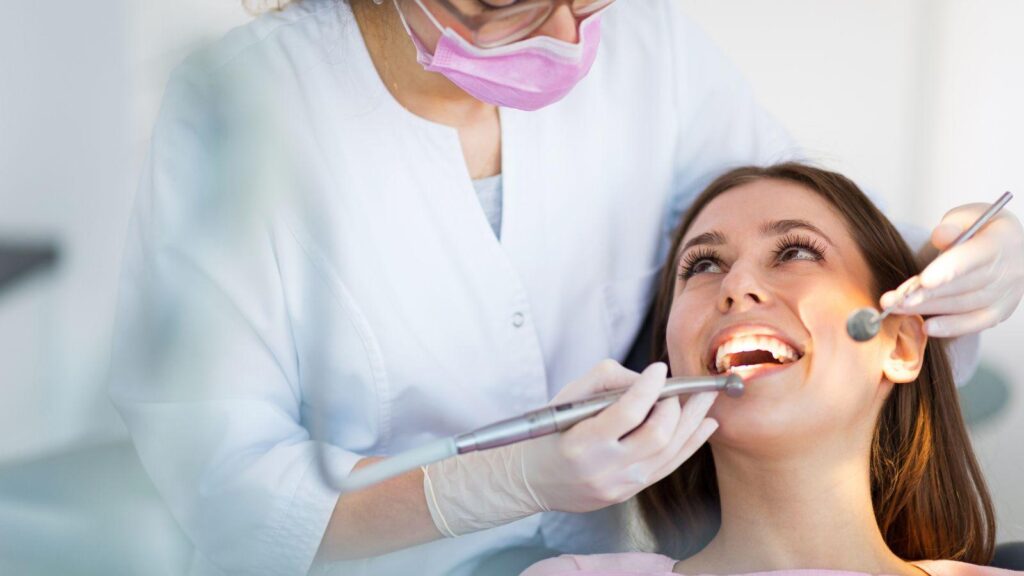
Life with All-on-4® fixed teeth can make eating and speaking feel more stable, but your mouth needs time to heal and adapt. You can usually return to comfortable eating and natural speech as your tissues heal and you practice using your new teeth. If you’re considering all on 4 dental implants in Palm Harbor, FL, knowing what this adjustment period looks like ahead of time can help you feel more prepared.
You may notice changes in comfort, bite, pronunciation, and food choices during the adjustment period. This guide explains what to expect over time, how to eat comfortably, how to improve speech, and how daily care supports long-term confidence.
The Adjustment Timeline
You will usually manage swelling and dietary limits first, then gradually improve your chewing, speech, and comfort as healing progresses. Your temporary bridge may feel unfamiliar for several weeks.
The final prosthesis may require additional adjustments for fit, bite, and pronunciation.
What To Expect During The First Week
During the first few days, swelling, bruising, tenderness, and mild bleeding can occur. Swelling often increases during the first 48–72 hours before it gradually subsides.
Follow your dental team’s instructions for medication, cleaning, and cold packs, and avoid smoking because it can interfere with healing. Choose cool or lukewarm soft foods, such as yogurt, eggs, smoothies consumed without a straw, mashed vegetables, and soft pasta.
Avoid hard, sticky, crunchy, or very hot foods. If your temporary teeth feel loose, painful, or difficult to bite with, contact your dental team rather than trying to adjust them yourself.
Your speech may sound different because the bridge changes the space around your tongue. Reading aloud for a few minutes each day can help you adapt, but do not strain your jaw.
Settling Into Daily Routines
Over the next several weeks, discomfort should decrease as your tissues heal. Continue eating softer foods until your clinician confirms that you can increase chewing pressure.
Cut food into small pieces, chew slowly, and use both sides of your mouth when your provider permits it. You may notice extra saliva, mild gum sensitivity, or difficulty producing sounds such as s, f, and th.
These changes often improve with practice and any necessary prosthetic adjustments. Speak at a steady pace, read aloud, and avoid compensating by clenching your teeth.
Your final bridge typically follows a healing period that may last several months. It should match your healed gums and bite more accurately than the temporary bridge.
Maintain daily cleaning around the implants with the tools your dental team recommends. Attend regular professional examinations.
When To Contact Your Dental Team
Contact your dental team promptly if pain worsens after it had started improving, swelling continues to increase, or you develop fever, pus, persistent bleeding, or difficulty swallowing or breathing. These symptoms require professional assessment.
Call if your bridge cracks, becomes loose, causes a sharp sore spot, or changes your bite significantly. Do not file, glue, or modify it at home.
A loose restoration can place harmful stress on healing implants. Contact the clinic if numbness persists or if you cannot eat and drink adequately.
Keep scheduled follow-up visits even when you feel comfortable. Your clinician uses them to check healing, implant stability, hygiene, and bite alignment.
Eating Comfortably With Fixed Teeth
Your diet should progress gradually while your gums and implants heal. Start with soft foods, increase texture only when comfortable, and avoid habits that can overload the temporary bridge or irritate healing tissues.
Starting With Soft Foods
During the early healing period, choose foods that require little or no chewing. Good options include yogurt, scrambled eggs, oatmeal, mashed potatoes, smoothies, applesauce, cottage cheese, blended soups, and soft pasta.
Let hot foods cool before eating, especially if your mouth feels numb after surgery. Take small bites and chew slowly with both sides of your mouth.
Avoid biting directly with the front teeth, which can place unnecessary pressure on the temporary prosthesis. If chewing causes pain, bleeding, or increased swelling, return to softer foods and contact your dental team if symptoms persist.
Smoothies can provide calories and protein, but use a cup or spoon instead of a straw unless your clinician permits one. Rinse gently with water after meals, following your provider’s instructions for cleaning around the bridge.
Reintroducing Firmer Textures
Your dental team will tell you when to advance your diet. As healing progresses, add foods such as flaky fish, tender chicken, cooked vegetables, soft rice, beans, and finely cut fruit.
Introduce one new texture at a time so you can identify foods that cause discomfort. Cut food into small pieces and chew with the back teeth rather than tearing it with the front teeth.
Even after you receive your final bridge, increase pressure gradually. Fixed teeth feel stable, but they still need proper hygiene and regular professional checks.
If food repeatedly catches beneath the prosthesis, ask your dental team to assess the fit and show you suitable cleaning tools. Do not try to adjust the bridge yourself.
Foods And Habits To Avoid
Avoid hard, sticky, and highly chewy foods while you have temporary teeth or healing implants. Examples include ice, hard nuts, popcorn kernels, tough meat, chewing gum, caramel, hard candy, and raw foods that require forceful biting.
Your clinician may also restrict foods such as crusty bread during early healing. Do not use your teeth to open packages, crack shells, bite pens, or chew ice.
Limit sugary drinks and frequent snacking, which can increase plaque around the bridge and gumline. Alcohol and tobacco can interfere with healing or conflict with prescribed medicines, so follow your provider’s specific restrictions.
Clean your prosthesis and implants as instructed, including beneath the bridge. Attend scheduled appointments so your dental team can monitor healing, bite alignment, and prosthesis function.
Speaking Clearly And Naturally
Your speech may change temporarily as your tongue, lips, and jaw adapt to the new fixed teeth. Most people improve by practicing regularly, monitoring specific pronunciation changes, and addressing dryness or prosthesis-related issues with their dental team.
Why Speech May Feel Different Initially
A new All-on-4 prosthesis changes the space available for your tongue and alters how air moves through your mouth. Sounds such as “s,” “sh,” “t,” “d,” “n,” and “l” may feel different, especially if the bridge has a thicker or differently shaped inner surface.
You may also notice a slight lisp, altered volume, or difficulty speaking quickly. Swelling, tenderness, and temporary changes in sensation can make these effects more noticeable during early healing.
Reading aloud for a few minutes each day helps you identify sounds that need attention. Speech usually becomes more natural as your tongue learns the new contours.
If a problem persists, ask your dentist to check the prosthesis rather than attempting to adjust it yourself. An over-contoured area may require professional modification.
Exercises For Faster Adaptation
Practice in short sessions instead of forcing your speech when your mouth feels tired. Read a page aloud slowly, then repeat it at a normal pace.
Record yourself saying words with “s,” “z,” “t,” “d,” and “n” sounds so you can track changes and identify patterns. Use targeted phrases such as:
- “Ted eats toasted nuts.”
- “Six small sausages sizzle.”
- “Thirty-three thin thieves.”
Focus on clear tongue placement and steady airflow. Have a conversation with a trusted person each day, gradually increasing the length and speed.
If your dentist approves, gentle tongue and jaw movements can support coordination. Avoid exercises that cause pain or interfere with healing instructions.
Managing Dry Mouth And Pronunciation
Dry mouth can make speaking less comfortable and may increase friction between your tongue and the prosthesis. Sip water regularly, especially before extended conversations, and follow your clinician’s instructions for rinsing during healing.
Avoid tobacco and limit alcohol, which can worsen oral dryness. Sugar-free gum or lozenges may stimulate saliva after your dental team confirms that chewing is safe.
Choose products containing xylitol when appropriate, but avoid biting hard foods during the healing period. If dryness continues, review medications and medical conditions with your healthcare professional.
Report persistent clicking, looseness, soreness, or speech changes to your implant dentist. These symptoms can indicate that the prosthesis needs evaluation or adjustment.
Long-Term Care And Confidence
Your fixed teeth can support comfortable eating and clear speech, but they require consistent home care and professional monitoring. Cleaning beneath the prosthesis, avoiding damaging habits, and attending scheduled visits help protect your implants, gums, and restoration.
Daily Cleaning Essentials
Clean your teeth and gums twice daily with a soft-bristled toothbrush and low-abrasive toothpaste. Brush the visible surfaces, gumline, and areas where the prosthesis meets your gums.
An electric toothbrush may help remove plaque, but use gentle pressure. Clean beneath the fixed bridge every day.
Use floss designed for implants with a threader, an interdental brush, or a water flosser on a setting recommended by your dental professional. Move the cleaning tool beneath the bridge and along each implant area without forcing it into tender tissue.
Rinse after meals when brushing is not practical. Do not rely on mouthwash alone, because it cannot remove plaque trapped under the prosthesis.
Ask your dental team which products suit your restoration and oral tissues.
Protecting Your Restoration
Avoid chewing ice, biting pens, opening packages with your teeth, or chewing very hard foods. These habits can chip the prosthetic teeth, loosen components, or place excessive force on implants.
Cut tough foods into smaller pieces, especially while you continue adapting to your new bite. If you grind or clench your teeth, ask whether you need a custom night guard.
Do not use an over-the-counter guard without professional guidance, because an unsuitable appliance may interfere with your bite or restoration. Contact your dentist if you notice persistent soreness, bleeding, swelling, a change in your bite, looseness, clicking, or difficulty chewing.
Prompt evaluation can identify problems before they cause further damage.
Maintaining Regular Follow-Up Visits
Attend examinations and professional cleanings at the interval your dental team recommends. Your provider can remove hardened deposits from areas you cannot reach, inspect your gums, assess implant stability, and check the bridge, screws, and bite.
Your maintenance schedule may change based on gum health, cleaning ability, smoking, diabetes, grinding, or previous implant problems. Keep a record of appointments and report changes rather than waiting for your next routine visit.
Your final restoration may also need periodic adjustment, repair, or replacement as materials wear.