
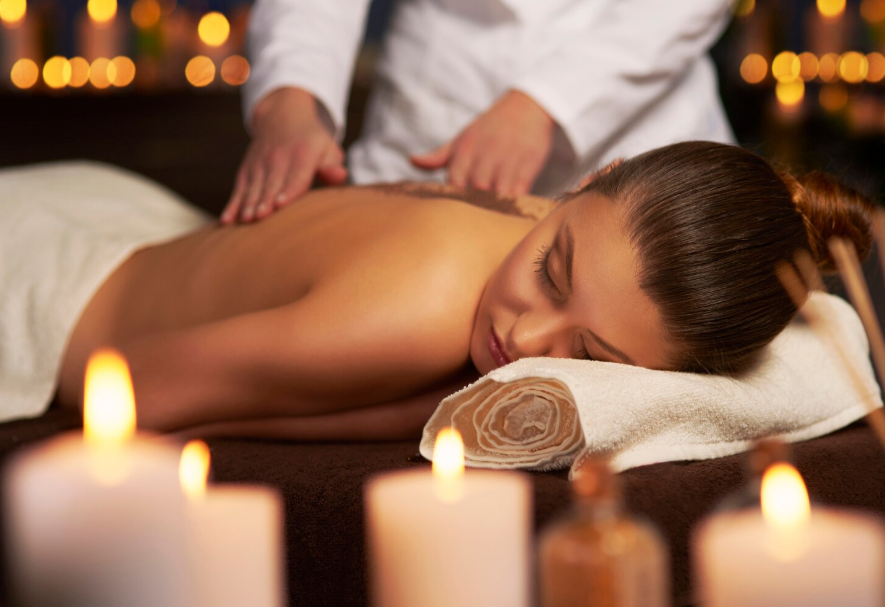
Massage therapy, an ancient practice dating back thousands of years, remains in high demand today due to its numerous health benefits. Integrated into various medical treatments and wellness regimes, massage services provide an unparalleled experience combining relaxation with holistic healing.
The Origins and Evolution of Massage Therapy
Historically, massage therapy can be traced to ancient civilisations where it played a crucial role in therapeutic practices. Chinese records dating back to 2700 BC suggest the use of massage in treating various ailments. Similarly, ancient Indian and Egyptian cultures incorporated massage into their health and beauty practices. Over the centuries, this form of therapy evolved with contributions from different cultures, each adding unique techniques and philosophies.
The term “massage” itself is derived from the Arabic word “massa”, which means “to touch”, a fitting description for a therapy centred around tactile engagement. As the global understanding of anatomy and medicine developed, so too did the methodologies of massage, blending traditional wisdom with contemporary scientific insights.
Types of Massage Therapies
Today, there are numerous types of massage therapies, each designed to address specific physical and mental needs. Understanding the diversity of these therapies can empower clients to select the most appropriate treatment for their individual health goals.
Swedish Massage
Perhaps the most commonly recognised form, Swedish massage utilises long, gliding strokes, kneading, and friction techniques on superficial layers of muscles. This method aims to promote relaxation, improve circulation, and alleviate tension.
Deep Tissue Massage
Focusing on deeper layers of muscle tissue, deep tissue massage is particularly beneficial for chronic pain and tension. By using slower strokes and concentrated pressure, therapists target knots and stubborn tension points, facilitating relief and muscle repair.
Aromatherapy Massage
Combining the soothing elements of massage with the therapeutic properties of essential oils, aromatherapy massage offers dual benefits. The inhalation of these oils during the massage can enhance relaxation, reduce anxiety, and uplift mood, while the massage techniques improve physical wellness.
Hot Stone Massage
This technique involves placing heated stones on specific parts of the body to warm and loosen tight muscles, helping the therapist work more deeply and effectively. The combination of physical manipulation and heat can be highly effective in reducing stress and promoting relaxation.
Shiatsu Massage
Originating from Japan, Shiatsu involves rhythmic finger pressure at particular points on the body to balance energy flows and improve lymph circulation. It is deeply rooted in traditional Chinese medicine and focuses on enhancing the natural healing abilities of the body.
The Physiological and Psychological Benefits
Research indicates that massage therapy can have numerous benefits, ranging from physical improvements to psychological well-being. These benefits underscore the importance of massage in contemporary health and wellness programmes.
Physical Benefits
One of the primary reasons people seek massage is its ability to relieve muscle tension and improve flexibility. Regular massage can speed up recovery post-exercise, reduce pain from chronic conditions such as arthritis, and enhance overall physical performance.
Massage also improves circulation by assisting in the transportation of oxygen-rich blood to tissues and vital organs. This increased circulation promotes healing, lowers blood pressure, and enhances the removal of metabolic waste from the body.
Psychological Benefits
Beyond physical relief, massage therapy can significantly decrease stress and improve mood. It has been shown to lower cortisol levels, the hormone responsible for stress, while increasing serotonin and dopamine, which are linked to happiness and well-being.
Regular massage sessions can also contribute to better sleep. By reducing tension and promoting relaxation, massage can help regulate sleep patterns, thus enhancing overall rest and recovery.
Impact on Mental Health
The soothing effects of massage extend to mental health improvements. It is often used in conjunction with traditional therapies to manage anxiety, depression, and other mental health issues. The safe, non-judgemental space created during a massage session allows one to disconnect from stressors, supporting emotional resilience and mental clarity.
Integration Into Holistic Wellness
Massage therapy is increasingly recognised as an integral part of a holistic wellness lifestyle that prioritises balance and preventive care. It complements other health practices such as yoga, meditation, and healthy nutrition, forming a comprehensive approach to well-being.
Personalised Treatments
An essential aspect of effective massage services is their customisability. Therapists often tailor sessions to individual needs, considering factors such as personal health history, current physical condition, and specific goals. This personalised touch ensures that each session is beneficial and aligned with personal health objectives.
Role in Stress Management
In today’s fast-paced world, stress management is vital. Incorporating regular massage sessions into one’s routine can be an effective strategy to maintain mental and physical balance. Establishing a consistent schedule of massage therapy can be preventative, offering a proactive approach to managing stress before it escalates into more severe health issues.
Enhancing Traditional Medical Treatments
Massage therapy often complements traditional medical treatments. For instance, massage can enhance the efficacy of treatments for conditions such as fibromyalgia and postoperative pain by reducing discomfort and promoting the body’s natural healing processes.
The Massage Experience
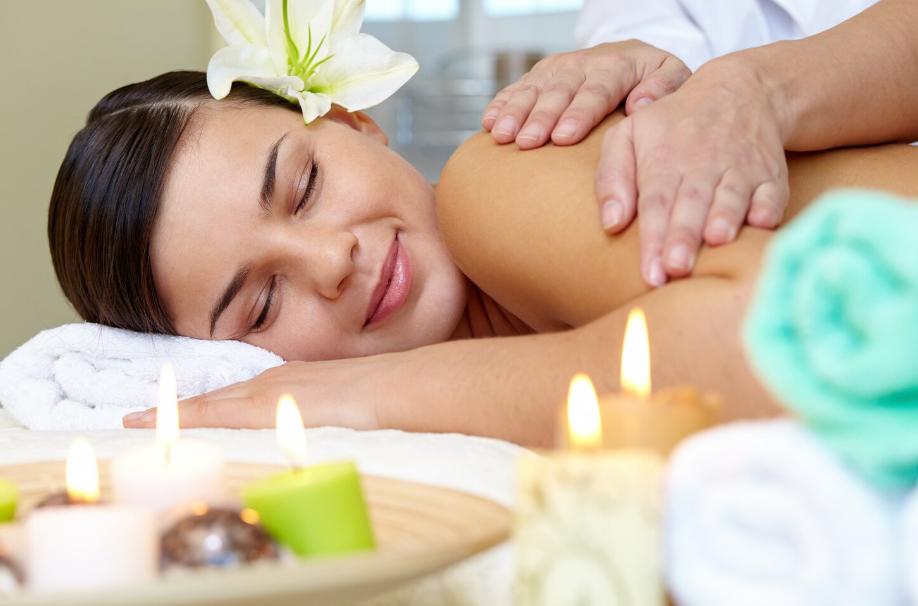
A typical massage session not only focuses on physical relaxation but also provides an environment conducive to mental repose. From the calming music to the warm ambience, every element of a massage experience is designed to enhance relaxation and facilitate healing.
The Role of Professional Training
The success and safety of massage largely depend on the therapist’s expertise. Certified professionals are trained to understand anatomy and physiology comprehensively, ensuring that techniques applied are appropriate and effective. This professional knowledge is essential for adapting practices to suit the individual client’s needs, avoiding potential injury or discomfort.
Conclusion
Through its ancient roots and modern iterations, massage therapy presents itself as a powerful tool for maintaining and improving physical and mental health. As a testament to its efficacy, it remains a cornerstone of both traditional and innovative approaches to health and wellness.